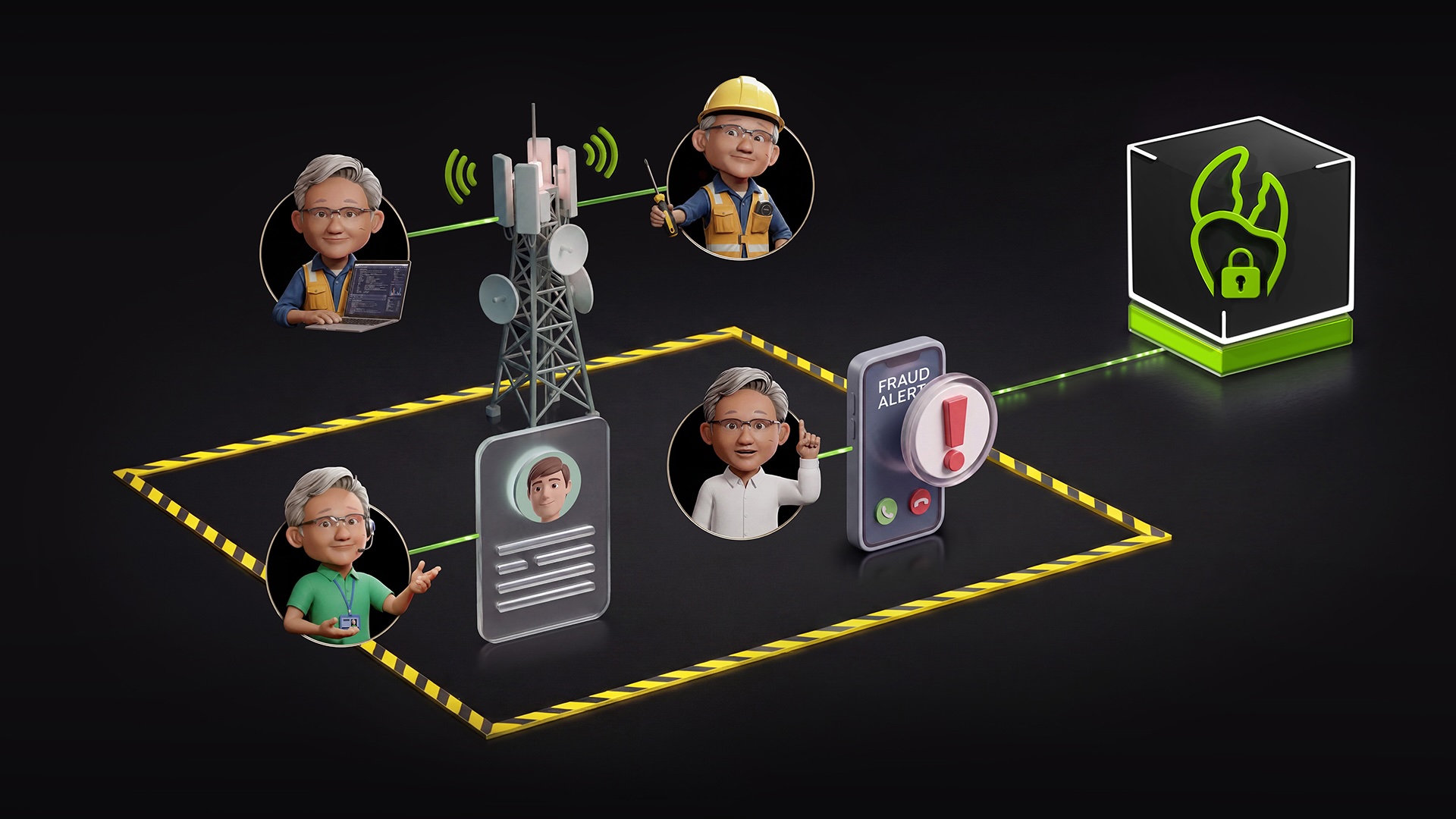
Telecom operators have seen remarkable returns from using generative AI to automate network management, customer care and back-office operations. Most of that impact has been task‑based: automation that speeds up predetermined steps while people manually correlate insights and direct next steps. Automation is no longer the finish line — it’s the launchpad to autonomy. The […]
The increasing complexity of telecom networks and the maturity of generative AI capabilities are converging, making autonomous agent deployment feasible and necessary for operational efficiency.
This represents a significant acceleration in the autonomous application of AI within critical infrastructure, moving beyond task-based automation to continuous, proactive management.
Telecom operations are shifting from human-supervised automation to AI-driven autonomy, reducing manual intervention and enabling more dynamic, resilient network management.
- · NVIDIA
- · Telecom Operators
- · AI Software Providers
- · Cloud Computing Providers
- · Legacy Network Management Systems
- · IT Outsourcing Firms (task-based)
- · Telecom Hardware Manufacturers (without AI integration)
Increased efficiency and reliability of telecom networks through AI-driven autonomous operations.
Accelerated deployment of advanced network capabilities like 5G and 6G due to reduced operational overhead and faster problem resolution.
The integration of such systems could create new cybersecurity vulnerabilities or points of failure if not robustly secured and managed.
This signal links to a primary source. Continuum Brief monitors and indexes it as part of the live intelligence stream — we do not republish source content.
Read at NVIDIA Blog