Nvidia's memory costs soar 485%, latest AI systems now cost $7.8 million to build — memory now comprises 25% of the total cost, Rubin GPUs a mere $50,000 apiece
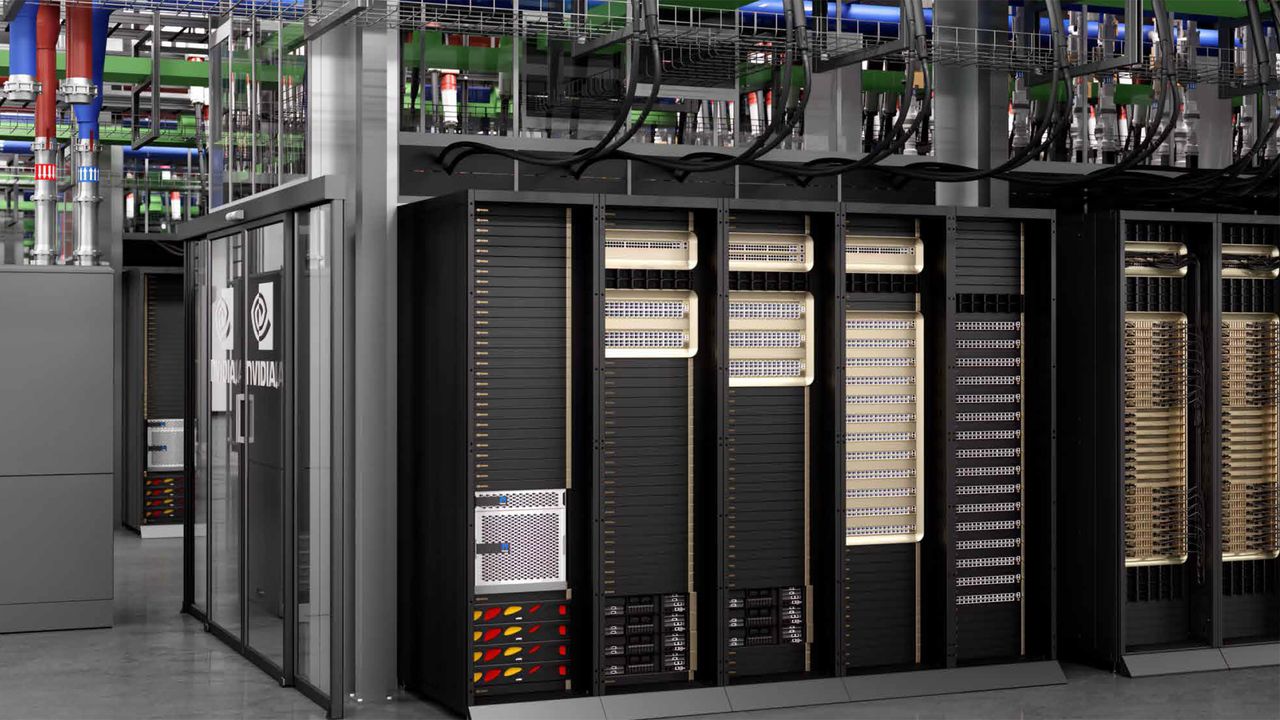
As memory content per rack increases in Vera Rubin platform, it now accounts for nearly 25% of its cost.
The rapid increase in demand for advanced AI compute is driving up component costs, particularly for high-bandwidth memory (HBM), making it a significant bottleneck.
This highlights a critical and rapidly escalating cost component in AI infrastructure, threatening to increase the barrier to entry and reshape the balance of power in AI development.
Memory is no longer a secondary cost but a primary driver of overall AI system expenses, shifting procurement priorities and potentially slowing the deployment of leading-edge AI systems.
- · HBM manufacturers
- · Memory technology developers
- · Companies with advanced packaging capabilities
- · AI developers with limited capital
- · Hyperscalers without vertically integrated memory strategies
- · Governments building sovereign AI infrastructure
The total cost of building state-of-the-art AI systems increases significantly, with memory becoming a dominant expense.
This drives innovation and investment in memory technologies and alternative AI architectures to reduce reliance on expensive HBM.
Consolidation in the AI space accelerates as only well-capitalized players can afford the latest compute, potentially hindering broader AI democratization.
This signal links to a primary source. Continuum Brief monitors and indexes it as part of the live intelligence stream — we do not republish source content.
Read at Tom's Hardware