Nvidia's RTX Spark could caplitalize where Qualcomm's Arm-based efforts have not — following the expiration of Qualcomm's Windows on Arm deal, Nvidia stands poised to pick up the slack
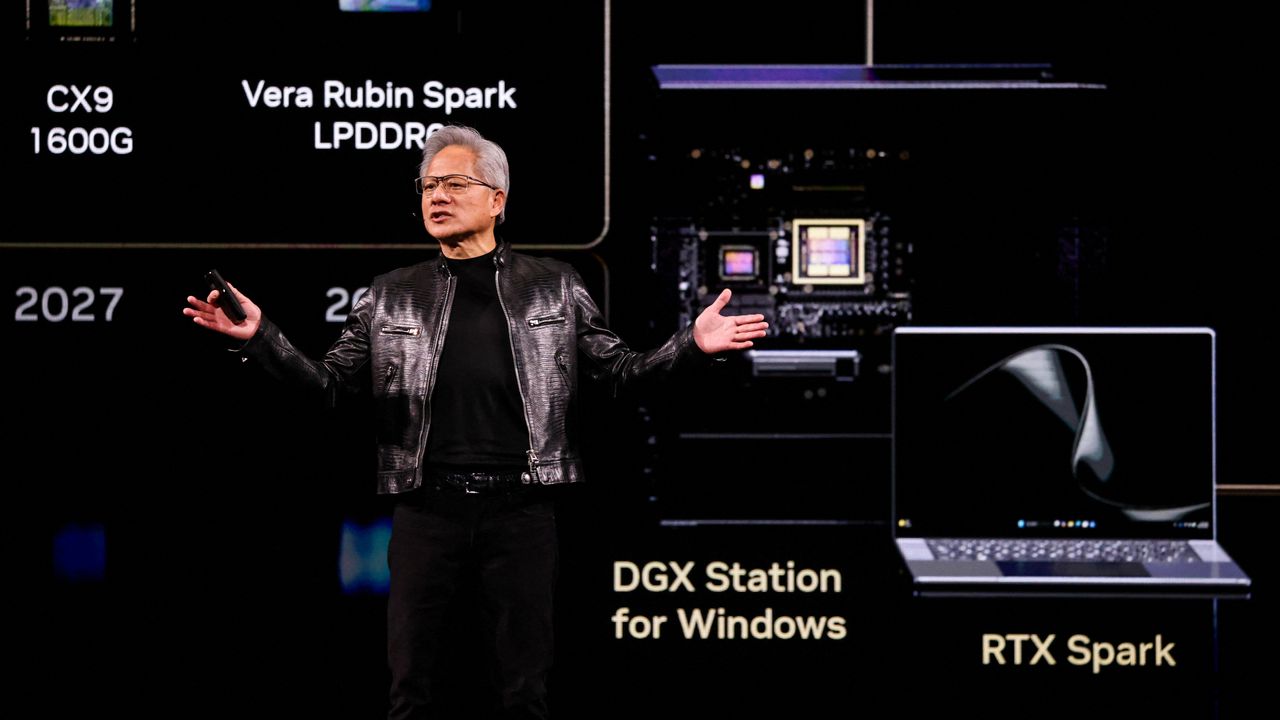
Nvidia unveiled the RTX Spark superchip on May 31st ahead of its GTC Taipei event, putting a 20-core Arm-based Grace CPU and a Blackwell RTX GPU on a single package.
The expiration of Qualcomm's exclusive Windows on Arm deal allows Nvidia to enter a market it has long sought to penetrate, aligning with its broader strategy to expand its computing dominance.
This move by Nvidia significantly intensifies competition in the Arm-based PC market, offering a powerful alternative to existing x86 and Qualcomm solutions, particularly for AI-driven applications.
The landscape for Windows on Arm devices is poised for accelerated innovation and competition, with Nvidia bringing its significant GPU and AI expertise to the integrated CPU/GPU segment.
- · Nvidia
- · Arm Holdings
- · PC Manufacturers
- · Consumers (performance/cost)
- · Qualcomm
- · Intel (to some extent)
- · AMD (to some extent)
Nvidia's RTX Spark creates a formidable new competitor in the Arm-based laptop and workstation market.
Increased competition could drive down prices and accelerate performance improvements for Arm-based Windows devices, enhancing their appeal against x86 PCs.
Nvidia's success in this new market could further cement Arm's position as a dominant architecture across various computing segments, potentially challenging x86's long-term hold on the desktop market.
This signal links to a primary source. Continuum Brief monitors and indexes it as part of the live intelligence stream — we do not republish source content.
Read at Tom's Hardware