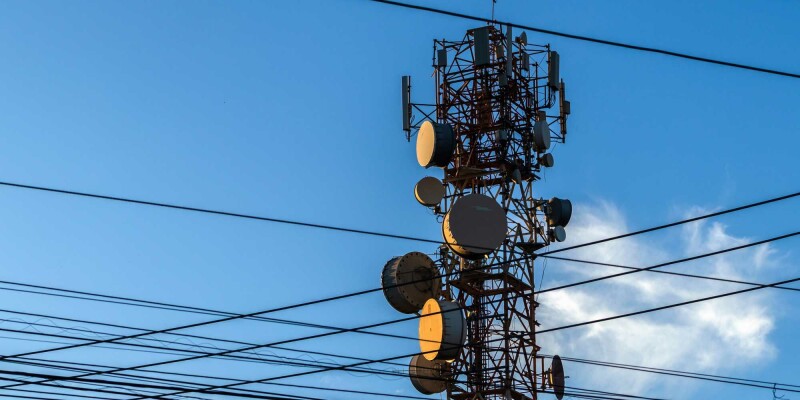
It's not just old phones – many smart meters and telecare alarms still use the ancient technology
Telecommunications providers are modernizing their infrastructure, phasing out legacy technologies like 2G as newer, more efficient options become widely available and user adoption shifts.
This move highlights the ongoing obsolescence of older network technologies, pushing users and dependent systems onto newer, more secure, and data-rich network standards.
The UK telecommunications landscape continues its transition from legacy 2G networks, impacting older devices and requiring significant upgrades for sectors like IoT and telecare.
- · 5G and 4G network providers
- · IoT device manufacturers (modern standards)
- · Telecom infrastructure companies
- · Cybersecurity providers
- · Legacy 2G device users
- · Manufacturers of 2G-only smart meters
- · Elderly care services reliant on old telecare
- · Remote monitoring systems (older generation)
Existing 2G-dependent devices, such as smart meters and telecare alarms, will cease to function or require costly upgrades.
This mandate will accelerate the adoption of newer cellular IoT technologies, potentially boosting innovation in smart city and healthcare solutions.
It might expose vulnerabilities in sectors that have been slow to modernize, potentially leading to transitional disruptions in essential services or an increase in digital divide for those unable to upgrade.
This signal links to a primary source. Continuum Brief monitors and indexes it as part of the live intelligence stream — we do not republish source content.
Read at The Register