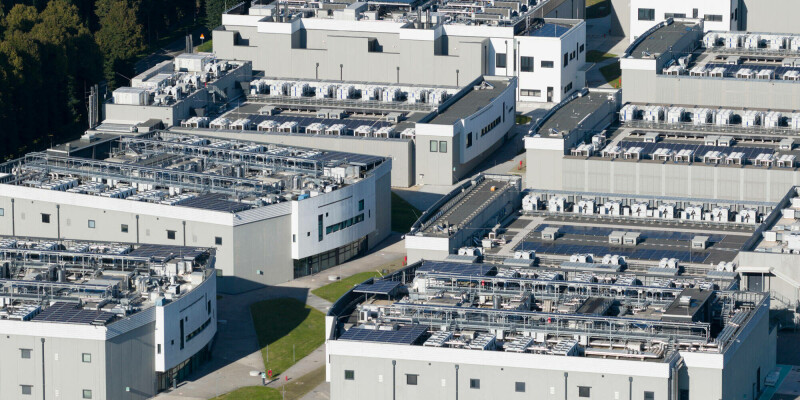
Buckeye State found it had inadvertently joined the billion dollar losers' club
States are reassessing the cost-benefit of attracting large compute infrastructure, especially as the energy and resource demands become more apparent and as tax revenue becomes a more pressing concern.
This indicates a growing awareness among state governments of the economic and environmental externalities of datacenter growth, potentially leading to a re-evaluation of incentives and a more distributed or regulated build-out.
The unfettered expansion of datacenter tax breaks, a key incentive for their location, is now underscrutiny, signaling a potential shift in how states compete for and host these facilities.
- · States prioritizing fiscal health
- · Local power grids with capacity
- · Efficiency-focused datacenter operators
- · Hyperscale datacenter operators seeking maximum incentives
- · States that offered aggressive tax breaks
- · Energy-intensive compute infrastructure
Other states may follow Ohio's lead in auditing and potentially curtailing datacenter tax incentives.
Datacenter developers might diversify their site selection criteria, prioritizing locations with stable regulatory environments and affordable power over generous tax breaks.
Increased state-level scrutiny could contribute to the overall increase in the cost of compute infrastructure, potentially impacting the unit economics of AI and other data-intensive services.
This signal links to a primary source. Continuum Brief monitors and indexes it as part of the live intelligence stream — we do not republish source content.
Read at The Register