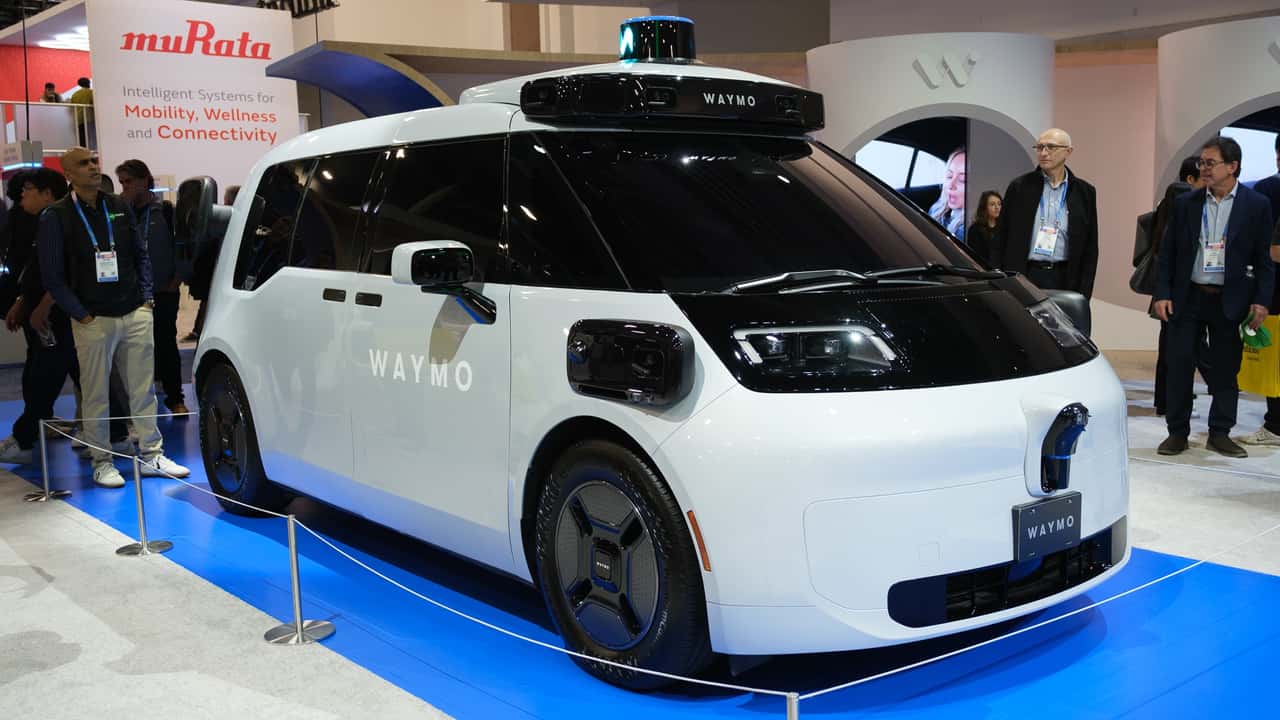
Waymo struck a deal with B2U Storage Solutions to make sure its old robotaxi batteries live on.
The increasing volume of end-of-life EV and autonomous vehicle batteries necessitates sustainable recycling and reuse solutions, driven by both environmental concerns and economic opportunities.
This development highlights a growing trend in circular economy principles within the automotive and energy sectors, addressing waste management while creating new value streams for used batteries.
Used EV batteries are no longer solely a waste product but are increasingly viewed as valuable assets for stationary energy storage, extending their economic life and reducing environmental impact.
- · Battery recycling and second-life companies
- · Renewable energy storage sector
- · Electric vehicle manufacturers
- · Grid operators
- · Landfill operators (long term)
- · Primary battery raw material suppliers (marginal impact)
Waymo's deal with B2U Storage Solutions creates a new market for used robotaxi batteries in stationary energy storage applications.
This trend could significantly reduce the cost of grid-scale energy storage, accelerating renewable energy integration and grid stabilization.
A robust second-life battery market may influence initial EV battery design, favoring modularity and durability for easier repurposing, while also potentially impacting rare earth material demand over time.
This signal links to a primary source. Continuum Brief monitors and indexes it as part of the live intelligence stream — we do not republish source content.
Read at InsideEVs