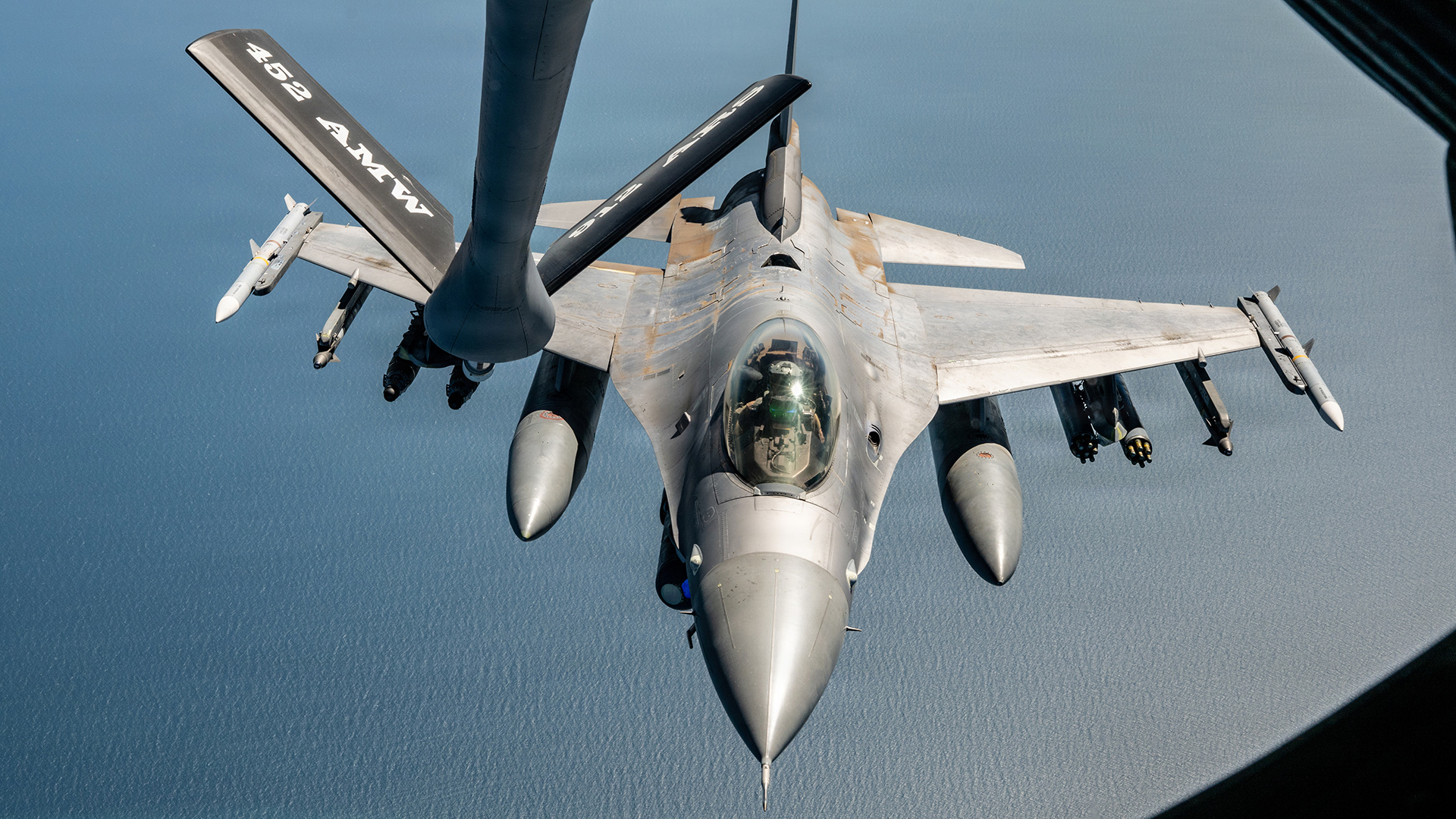
The latest round of tit-for-tat attacks between the U.S. and Iran are among the most severe since a ceasefire was reached on April 8. The post Overnight Attacks Rattle U.S.-Iran Ceasefire appeared first on The War Zone .
The recent attacks highlight inherent instability in the U.S.-Iran relationship, suggesting that a ceasefire alone cannot resolve underlying tensions and strategic competition.
This event indicates a high potential for renewed conflict, with significant implications for global energy markets, regional stability, and international diplomatic efforts.
The perceived stability of the U.S.-Iran ceasefire is undermined, raising the risk profile for military escalation and requiring re-evaluation of regional security postures.
- · Defence contractors
- · Oil producers (outside the region)
- · State-sponsored cyber warfare divisions
- · Regional stability
- · Global oil consumers
- · Diplomatic efforts
Increased military readiness and retaliatory actions from both the U.S. and Iran.
A more aggressive posture from regional proxies could further destabilize the Middle East.
Major powers like China and Russia may increase their influence in the region due to ongoing instability and a perceived U.S. weakness.
This signal links to a primary source. Continuum Brief monitors and indexes it as part of the live intelligence stream — we do not republish source content.
Read at The War Zone