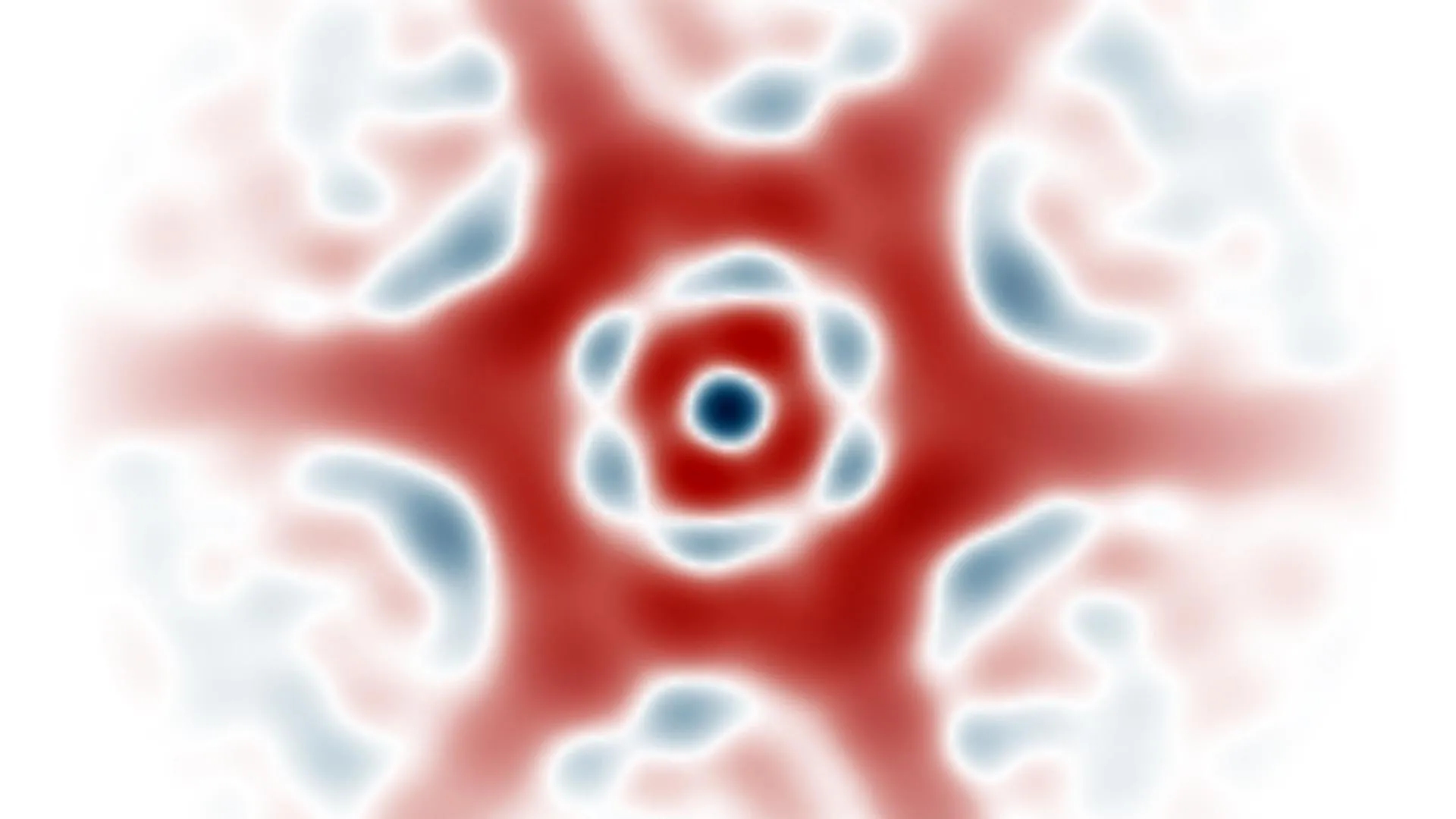
Oxford physicists have created an entirely new type of Schrödinger’s cat-like quantum state using components that are themselves highly quantum in nature. The advance could open new possibilities for more resilient quantum computers and deeper insights into the strange rules that govern the quantum universe.
Advances in quantum physics and engineering reached a point where previously theoretical quantum states are now being realized experimentally with increasingly complex systems.
This development represents a significant step towards more resilient quantum computing, potentially accelerating the timeline for practical quantum advantage and enabling new fundamental scientific insights.
The ability to create complex, 'quantum-on-quantum' Schrödinger's cat states suggests new pathways for error correction and quantum hardware design that could overcome current limitations.
- · Quantum computing researchers
- · Hardware manufacturers
- · Advanced physics labs
- · National research institutions
- · Classical computing incumbents (long-term, if unadapted)
Demonstrated creation of novel quantum states expands experimental capabilities in quantum mechanics.
Improved understanding and control over complex quantum systems could lead to more stable and error-resistant quantum computers.
Scalable, error-corrected quantum computers could disrupt cryptography, materials science, and drug discovery over decades.
This signal links to a primary source. Continuum Brief monitors and indexes it as part of the live intelligence stream — we do not republish source content.
Read at ScienceDaily — Quantum Computing