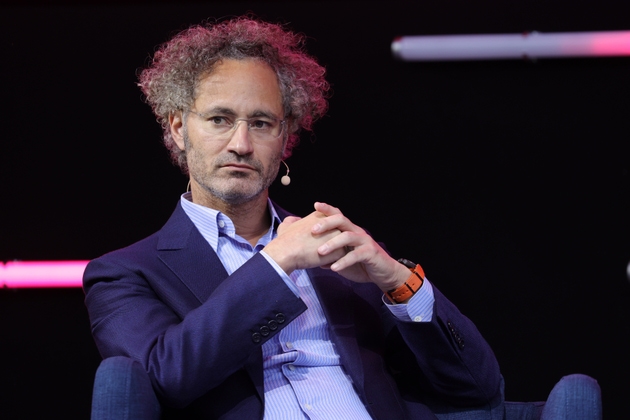
The CEO of Palantir is speaking out as key players like OpenAI and Anthropic are pushing increasingly large and resource-intensive models, often termed 'tokenmaxxing,' leading to a re-evaluation of optimal AI development strategies.
This statement from a prominent AI vendor CEO highlights growing internal tensions and potential strategic divergence within the AI industry regarding model architecture and resource allocation, impacting future AI product development and market positioning.
The consensus around 'bigger is better' for AI models is being actively challenged by a significant industry voice, potentially leading to more diversified approaches to AI architecture and a greater focus on efficiency and deployability.
- · Palantir
- · Companies focused on efficient AI models
- · Edge AI developers
- · Frontier labs focused solely on model size
- · Cloud providers reliant on massive compute scaling
- · GPU manufacturers (if efficiency gains reduce overall demand growth)
Increased scrutiny and debate emerge around the economic and practical viability of 'tokenmaxxing' as the primary AI development paradigm.
AI development shifts towards models optimized for efficiency, cost, and specific application domains rather than raw parameter count, potentially democratizing advanced AI use.
A new competitive landscape forms in AI, where companies offering smaller, more performant, and cost-effective models gain market share against those pursuing only the largest, most resource-intensive approaches.
This signal links to a primary source. Continuum Brief monitors and indexes it as part of the live intelligence stream — we do not republish source content.
Read at Seeking Alpha — Tech