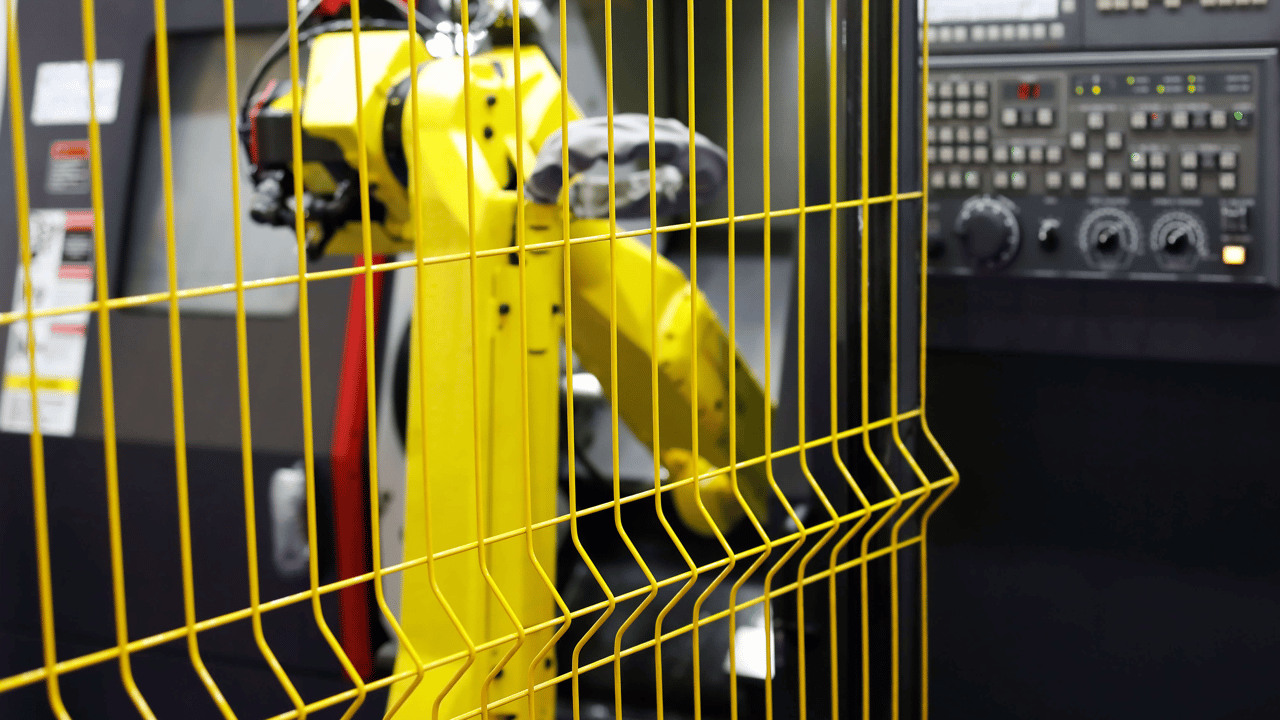
An unauthenticated attacker can exploit the command injection vulnerability to gain remote access to robotic systems, causing significant disruption to the environment.
The increasing deployment of OT robots without adequate security protocols created a fertile ground for critical vulnerabilities to emerge and be discovered.
A critical vulnerability allowing remote control of OT robots poses significant operational and safety risks across various industries, highlighting the need for robust cybersecurity in automated systems.
Operational Technology (OT) robot manufacturers and deployers will face increased pressure to implement immediate security patches and review their cybersecurity postures.
- · Cybersecurity firms
- · OT security solution providers
- · Robotics security researchers
- · Industrial robot manufacturers (with vulnerable products)
- · Manufacturing companies (using unpatched systems)
- · Critical infrastructure relying on OT robots
Immediate patching campaigns and security audits for industrial robotic systems will be initiated.
There will be a push for stricter security-by-design standards and regulatory oversight in the development and deployment of OT automation.
The incident could accelerate the integration of AI-driven threat detection and response capabilities into OT environments to proactively identify and neutralize similar vulnerabilities.
This signal links to a primary source. Continuum Brief monitors and indexes it as part of the live intelligence stream — we do not republish source content.
Read at Dark Reading