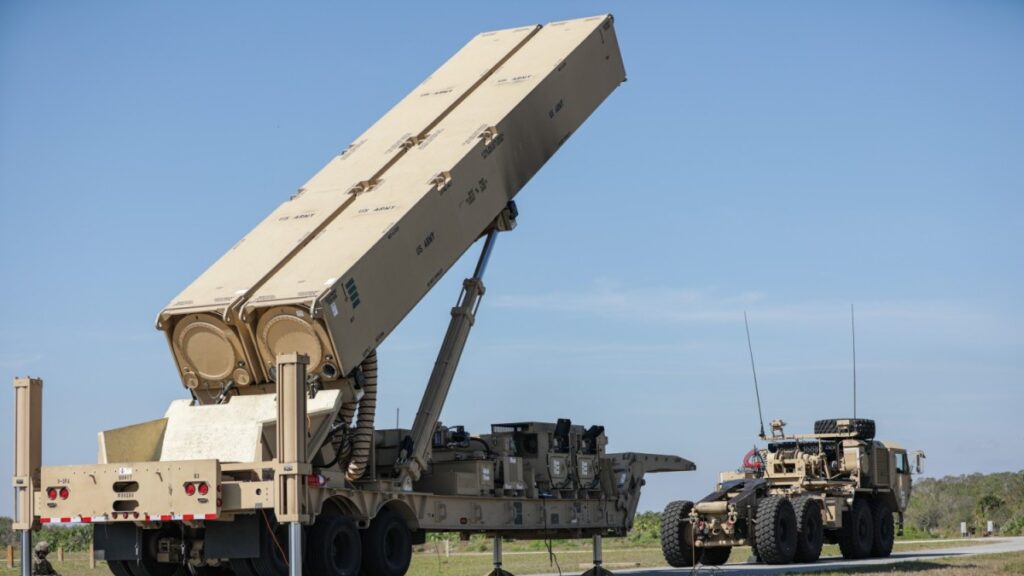
The watchdog’s annual weapons systems assessment revealed new details about high-profile programs, from Air Force One to Army missiles.
The GAO's annual assessment provides a regular, timed update on the persistent challenges in US defence acquisition, reflecting ongoing scrutiny from Congress and the public.
A strategic reader should care because continued struggles in weapons development timelines indicate systemic inefficiencies in the US defence industrial base, impacting readiness, future capabilities, and geopolitical competitiveness.
This report reinforces the documented difficulties in defence procurement, suggesting an increasing likelihood that critical programs will face delays and cost overruns, forcing a re-evaluation of current acquisition strategies.
- · Defence consulting firms
- · Allied defence industries (filling gaps)
- · Small, agile defence tech companies
- · US Department of Defense (DoD)
- · Major prime defence contractors (legacy systems)
- · US military readiness
- · US taxpayers
Pentagon faces increased pressure to reform its acquisition processes and demonstrate tangible improvements.
This could lead to greater investment in alternative, faster development cycles like those focused on software and modular systems, or increased reliance on allied capabilities.
Long-term delays could create windows of opportunity for competitor nations to narrow or even surpass US technological advantages in certain defence domains.
This signal links to a primary source. Continuum Brief monitors and indexes it as part of the live intelligence stream — we do not republish source content.
Read at Breaking Defense — Air