Pentagon eyes 3D-printed military boats made from volcanic fiber — non-conductive hulls add stealth capabilities while replacing a 6,545-mile supply chain, could scale to 25,000 vessels a year at forward bases
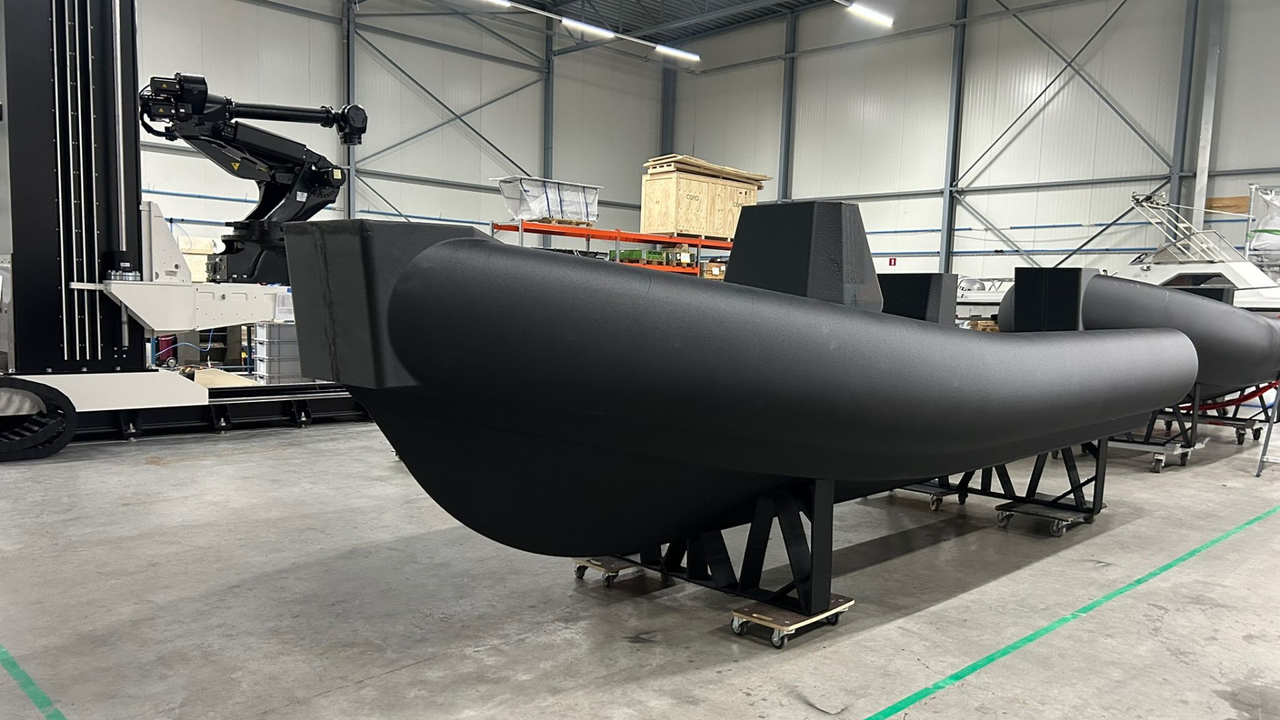
Voltage Vessels hopes to allow the U.S. Navy to build boats where they're needed and reduce reliance on an overly long supply chain. The company claims that it can forward deploy its 3D printers in-theater and also increase output up to 15,000 metric tons annually.
Advances in materials science and additive manufacturing capabilities are enabling the practical application of 3D printing for large-scale military hardware, coinciding with increased geopolitical tensions requiring resilient supply chains.
This development indicates a potential paradigm shift in military production, emphasizing localized manufacturing, supply chain resilience, and innovative material use for strategic advantages like stealth.
Military procurement and logistics could transition from globalized, centralized production to distributed, in-theater manufacturing, enhancing responsiveness and reducing vulnerabilities.
- · Additive manufacturing companies
- · US Navy
- · Materials science innovators
- · Forward-deployed military bases
- · Traditional military shipbuilders
- · Long-haul logistics companies
- · Adversaries relying on existing supply chain vulnerabilities
The US Navy gains enhanced operational flexibility and reduced dependence on vulnerable supply lines for certain vessel types.
This could spur a broader adoption of distributed manufacturing models across other military and industrial sectors, reducing reliance on single-point-of-failure production hubs.
The non-conductive properties of volcanic fiber could lead to new stealth applications beyond marine vessels, influencing future defense system designs and material science research.
This signal links to a primary source. Continuum Brief monitors and indexes it as part of the live intelligence stream — we do not republish source content.
Read at Tom's Hardware