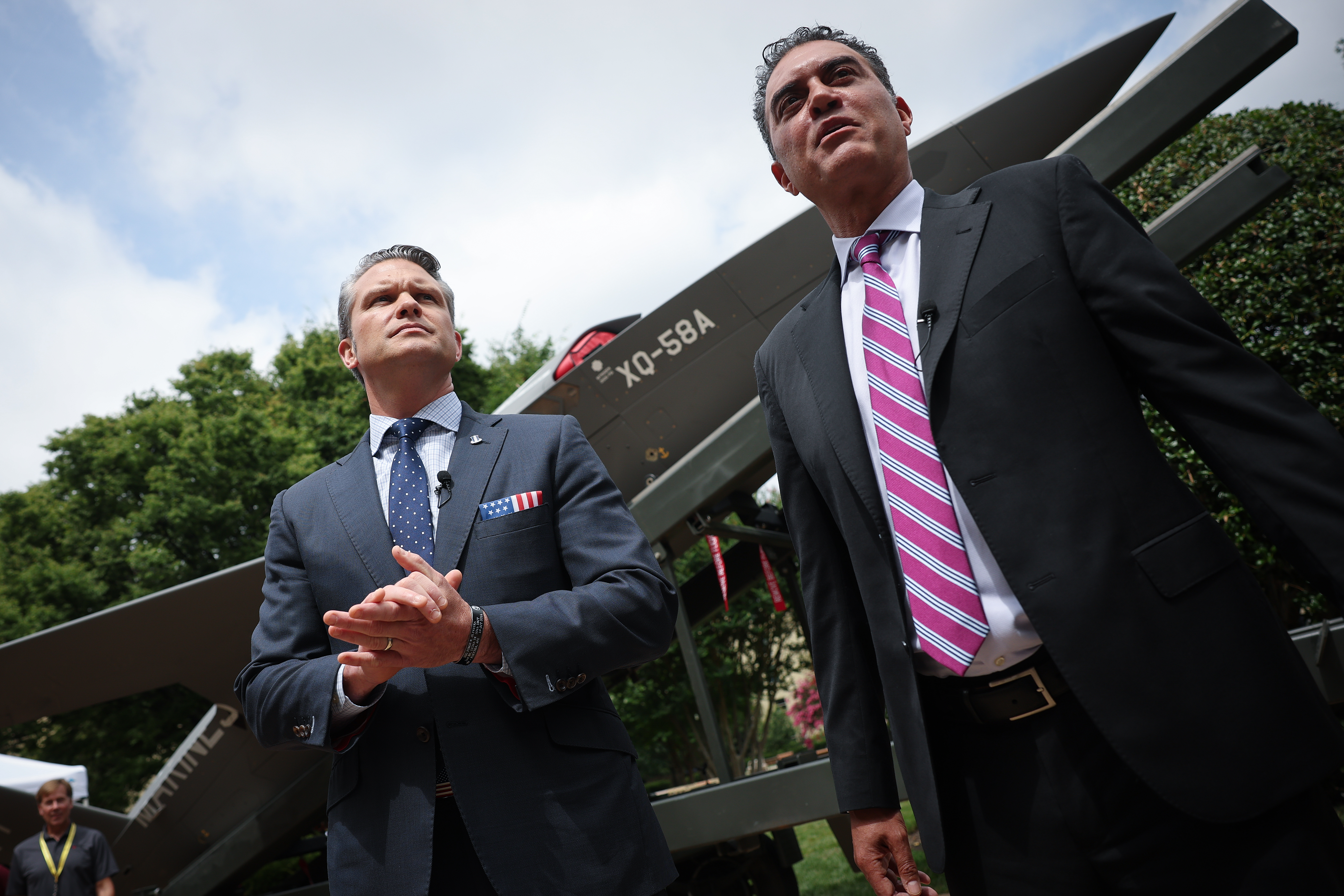
As the Trump administration seeks a massive investment in AI-driven systems, the DoD's policies on their use "lag behind," one senator said.
The Trump administration's push for massive AI investment is highlighting the existing policy gap, forcing a political spotlight onto the issue of autonomous weapons governance.
This exposes a critical disconnect between rapid technological advancement in military AI and the slow pace of policy formulation, indicating potential future regulatory friction and ethical dilemmas for defence organizations.
The debate is shifting from theoretical discussions about autonomous weapons to explicit criticism of the Pentagon's lagging policies by legislators, demanding more concrete and timely frameworks.
- · AI ethicists
- · Defence policy think tanks
- · Companies advocating for responsible AI development
- · Pentagon (due to perceived inaction)
- · Unregulated AI defence contractors
Increased Congressional pressure for the DoD to accelerate policy development for autonomous weapons.
Potential for new legislation or mandates from Congress dictating ethical guidelines and operational protocols for military AI.
Shifts in international alliances as nations coalesce around differing standards for autonomous weapons, influencing future arms control treaties.
This signal links to a primary source. Continuum Brief monitors and indexes it as part of the live intelligence stream — we do not republish source content.
Read at Army Times