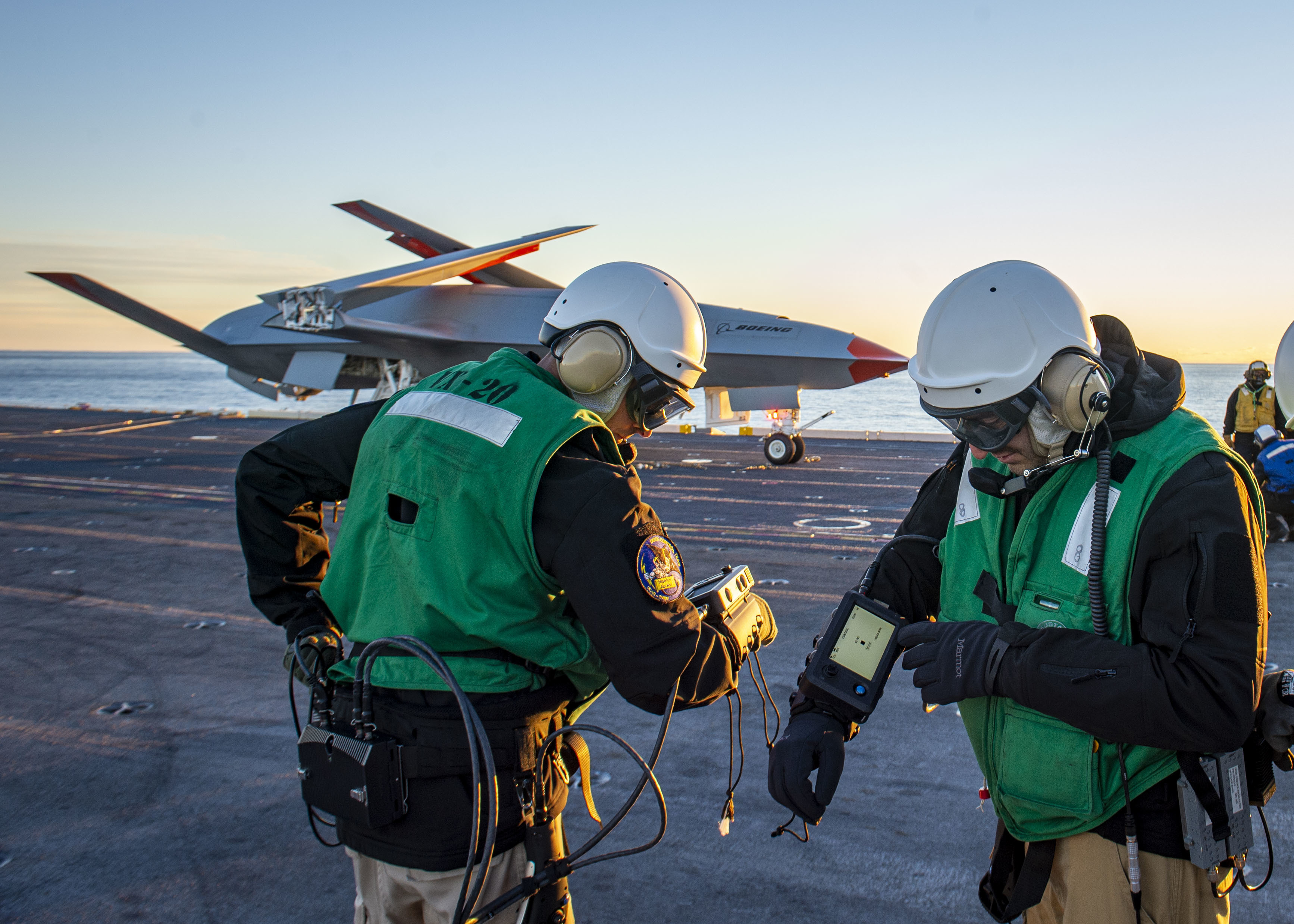
A new GAO report examined 104 of the Pentagon’s most expensive weapons programs.
The report from the Government Accountability Office (GAO) highlights persistent, systemic issues in Pentagon acquisition at a time of increasing global geopolitical tension and demands for defense modernization.
A strategic reader should care because significant delays in major weapons programs directly impact national security, military readiness, and the competitiveness of the defense industrial base, while also signaling potential for budget overruns.
This report reinforces the understanding that simply increasing defense budgets will not automatically translate into effective new capabilities, highlighting the need for fundamental acquisition reform to achieve defense modernization goals.
- · Defense contractors focused on software integration and rapid prototyping
- · Allies seeking more agile defense partnerships
- · Auditing and oversight bodies
- · Traditional prime defense contractors
- · US military readiness in certain advanced capabilities
- · Taxpayers funding delayed programs
The report will likely intensify calls for acquisition reform and potentially lead to budget reallocations within the Department of Defense.
Persistent delays could drive the Pentagon to increasingly rely on commercial off-the-shelf technologies or seek international partnerships for faster capability development.
Long-term, this could accelerate a shift towards smaller, more agile defense tech companies and non-traditional defense vendors capable of faster innovation cycles.
This signal links to a primary source. Continuum Brief monitors and indexes it as part of the live intelligence stream — we do not republish source content.
Read at Navy Times