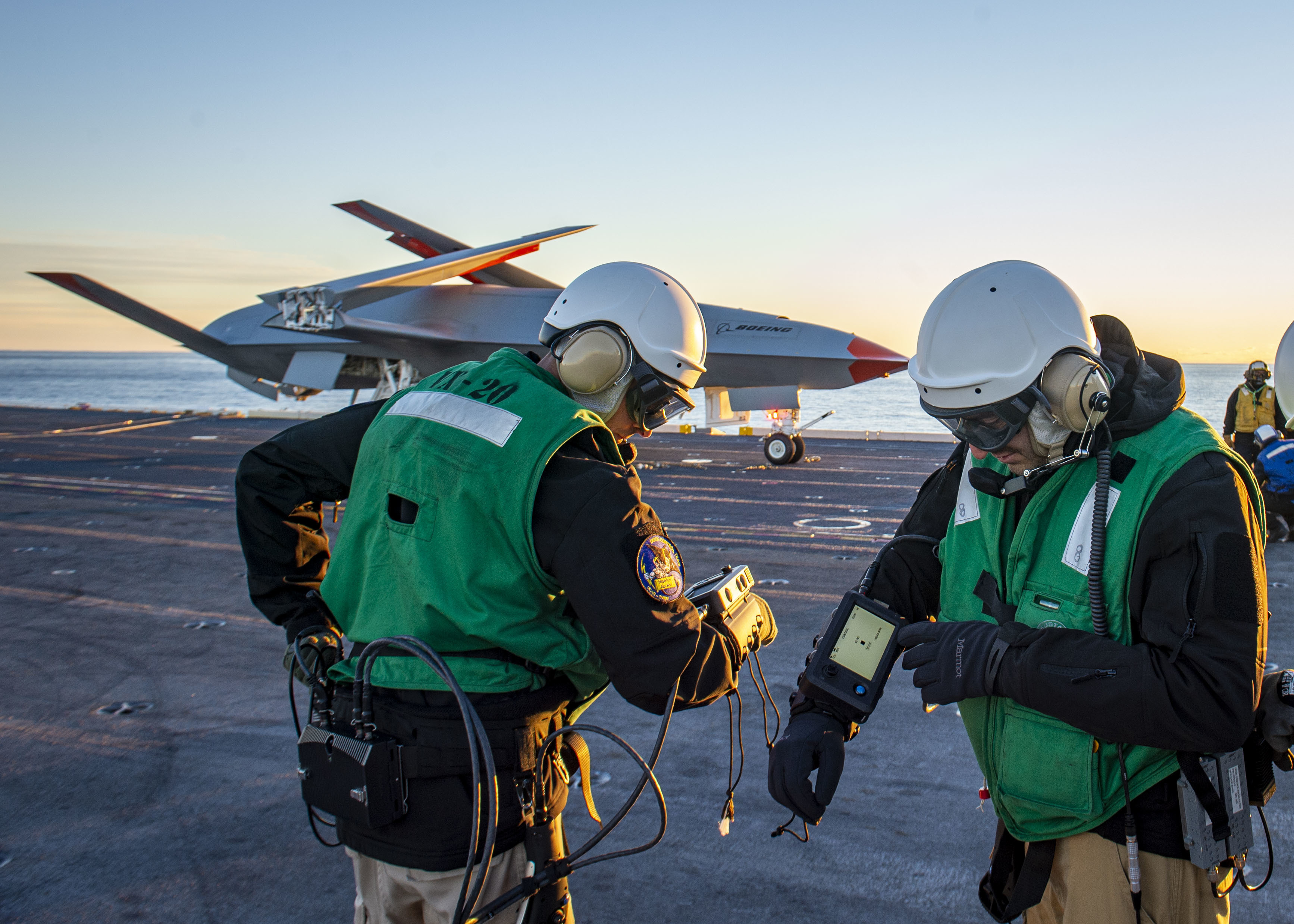
A new GAO report examined 104 of the Pentagon’s most expensive weapons programs.
The perennial issues of defense procurement inefficiency are resurfacing as geopolitical tensions and technological advancements demand more agile responses, highlighting long-standing structural problems.
This report underlines persistent systemic failures in the Pentagon's ability to deliver critical defense capabilities, impacting national security and resource allocation in a turbulent global environment.
The report reinforces the narrative that current procurement models are unsustainable, potentially leading to increased pressure for defense industrial base reform and technology adoption.
- · Defense smaller tech innovators
- · Watchdog organizations
- · US adversaries
- · Traditional defense primes
- · US military readiness
- · US taxpayers
- · Pentagon leadership
The immediate effect is public scrutiny and potential congressional hearings regarding defense spending inefficiencies.
This pressure could catalyze initiatives to reform defense procurement processes, prioritizing speed and adaptability over traditional cost-plus structures.
Long-term, continued delays could erode US technological superiority and embolden rivals, potentially leading to a fundamental shift in global power dynamics.
This signal links to a primary source. Continuum Brief monitors and indexes it as part of the live intelligence stream — we do not republish source content.
Read at Army Times