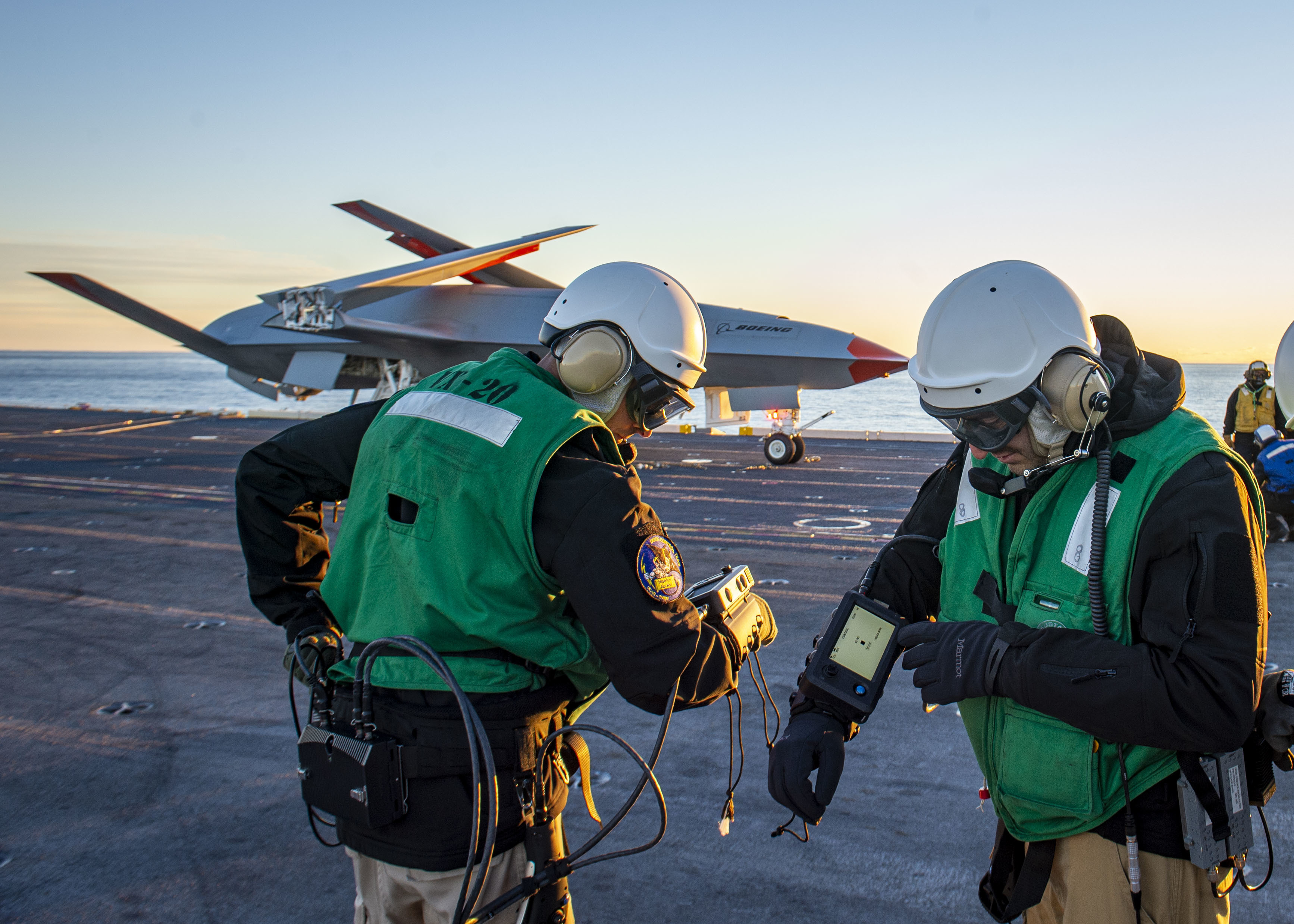
A new GAO report examined 104 of the Pentagon’s most expensive weapons programs.
The GAO report highlights a persistent and worsening issue at a time when global geopolitical tensions are rising and calls for defence modernization are urgent.
This report underscores critical systemic inefficiencies within the Pentagon's procurement process, directly impacting national security readiness and the effectiveness of defence spending.
The perceived efficiency and reliability of the US defence industrial base are further eroded, potentially accelerating shifts towards alternative procurement models or greater scrutiny of existing programs.
- · Defence transparency advocates
- · Near-peer adversaries
- · Companies offering rapidly deployable, smaller-scale defence solutions
- · US Department of Defense
- · Large defence contractors reliant on legacy programs
- · US taxpayers
Increased Congressional oversight and pressure on the Pentagon to reform its acquisition strategies.
Potential redirection of defence spending towards off-the-shelf or commercially available technologies, bypassing traditional lengthy development cycles.
Further erosion of confidence in the US defence industrial base's ability to innovate and deliver, encouraging allies to diversify their defence sourcing or develop indigenous capabilities.
This signal links to a primary source. Continuum Brief monitors and indexes it as part of the live intelligence stream — we do not republish source content.
Read at Air Force Times