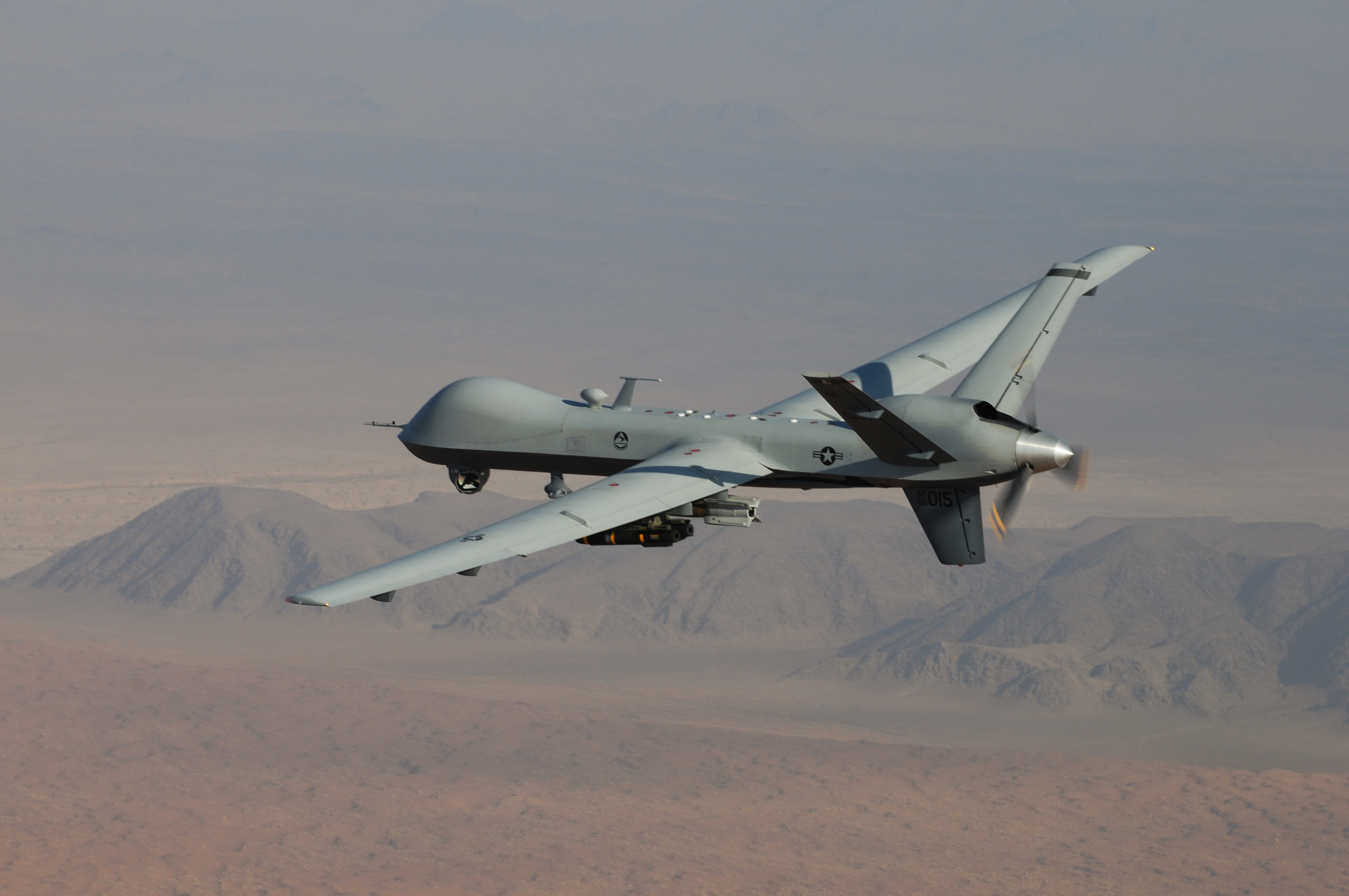
The Massed Modular Aircraft project aims to develop a drone that can operate in such large numbers that it can absorb losses and still overwhelm defenses.
The high cost and vulnerability of advanced drones like the MQ-9 Reaper in contested environments necessitate a strategic pivot towards more affordable, mass-producible alternatives.
This initiative signals a fundamental shift in military procurement and strategic thinking, prioritizing quantity and resilience over individual platform sophistication, impacting future defense industrial base structures.
The Pentagon's explicit pursuit of cheaper, massed drones indicates a move away from sole reliance on high-cost, high-value assets, fostering innovation in autonomous systems and distributed warfare.
- · Drone manufacturers specializing in low-cost, modular systems
- · AI and autonomy software developers
- · Defense contractors capable of rapid scaling and agile manufacturing
- · Nations investing in similar mass-drone strategies
- · Manufacturers of expensive, single-platform military aircraft
- · Traditional defense contractors slow to adapt to mass production
- · Adversaries relying on conventional air defense strategies
- · Maintenance and logistics pipelines built for small fleets
The 'Massed Modular Aircraft project' will accelerate the development and deployment of attritable, autonomous systems.
This shift could reduce the per-unit cost of air power, making advanced drone capabilities more accessible to a wider range of actors.
The proliferation of massed autonomous drone swarms could fundamentally alter the nature of air combat and defense, emphasizing electronic warfare and counter-swarm tactics.
This signal links to a primary source. Continuum Brief monitors and indexes it as part of the live intelligence stream — we do not republish source content.
Read at Defense News