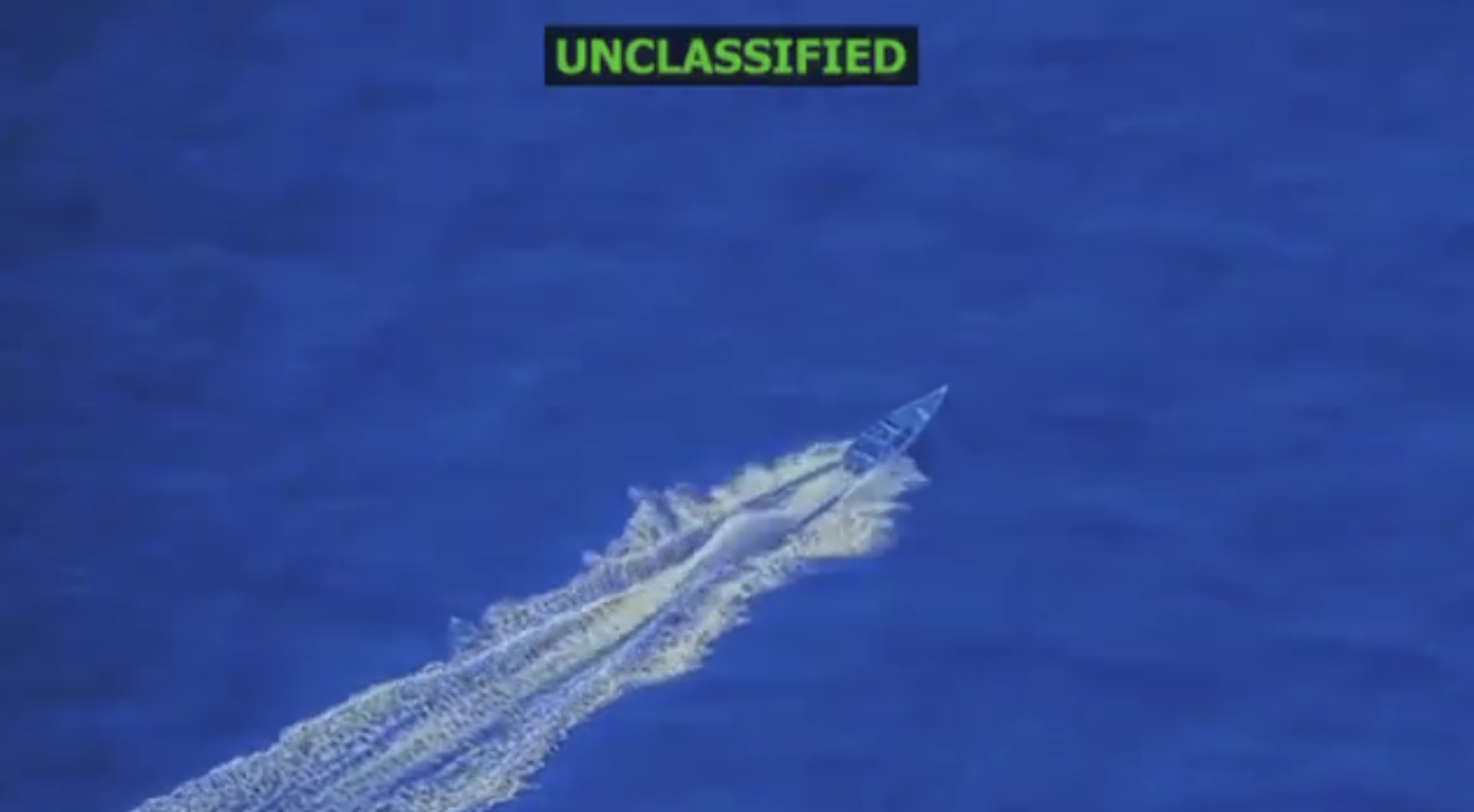
The Defense Department’s inspector general initiated an evaluation into the U.S. Southern Command's protocols when attacking suspected drug boats.
Amidst increased scrutiny on military operations and calls for greater accountability, this evaluation reflects a growing emphasis on ethical and legal compliance in modern warfare, especially concerning non-state actors.
For strategic readers, this highlights evolving standards of engagement and oversight within large military organizations, potentially impacting future operational doctrines and technology adoption.
The explicit evaluation by the Inspector General signals a more formalized process for reviewing combat protocols against non-state actors, potentially leading to revised rules of engagement or technology requirements.
- · Oversight bodies
- · Legal and compliance tech providers
- · Military units with ambiguous ROE
- · Drug trafficking organizations
The evaluation will likely lead to updated Southern Command protocols for interdicting drug boats, possibly emphasizing non-lethal methods or improved intelligence gathering.
Increased scrutiny could impact the development and deployment of autonomous systems in interdiction roles, requiring stricter ethical programming and human oversight.
A broader precedent for oversight of 'grey zone' military operations might emerge, influencing how other commands manage asymmetric threats and unconventional engagements.
This signal links to a primary source. Continuum Brief monitors and indexes it as part of the live intelligence stream — we do not republish source content.
Read at Army Times