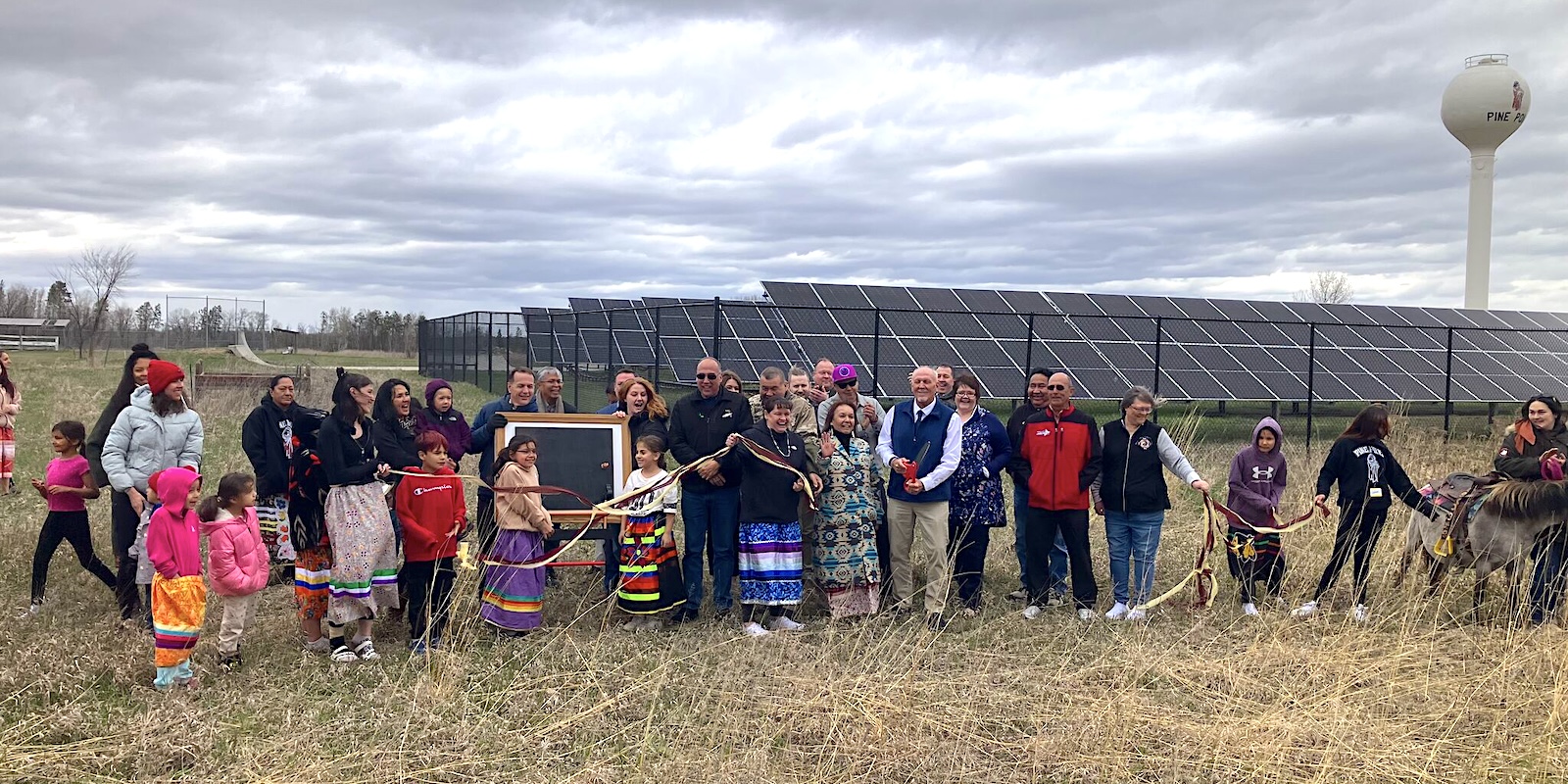
The Pine Point School district serving Minnesota’s White Earth Reservation community has taken a huge step towards energy independence this month, with the commissioning of a new solar + BESS microgrid project that will help insulate the district from energy rate hikes caused by new data center construction . more…
The accelerating growth of power-hungry data centers is elevating energy costs and driving a push for localized, more resilient energy solutions.
This highlights a growing trend among institutions to pursue energy independence and grid resilience in the face of rising energy demands and vulnerabilities.
Local entities, previously reliant on centralized grids, are now actively building independent energy infrastructures to mitigate economic and operational risks.
- · Microgrid developers
- · Battery storage manufacturers
- · Solar energy providers
- · Local communities
- · Traditional utility companies
- · Fossil fuel generators
- · Regions without renewable resources
Increased adoption of microgrids and distributed energy resources by other institutions and communities facing similar energy challenges.
Decentralization of energy production could lead to more stable local power supplies but potentially impact traditional utility business models.
A significant shift towards energy independence could reduce geopolitical leverage tied to fossil fuel suppliers and enhance national energy security.
This signal links to a primary source. Continuum Brief monitors and indexes it as part of the live intelligence stream — we do not republish source content.
Read at Electrek