Plan To Evacuate Hundreds Of Ships Still Stranded From Strait Of Hormuz Closure Is Coalescing
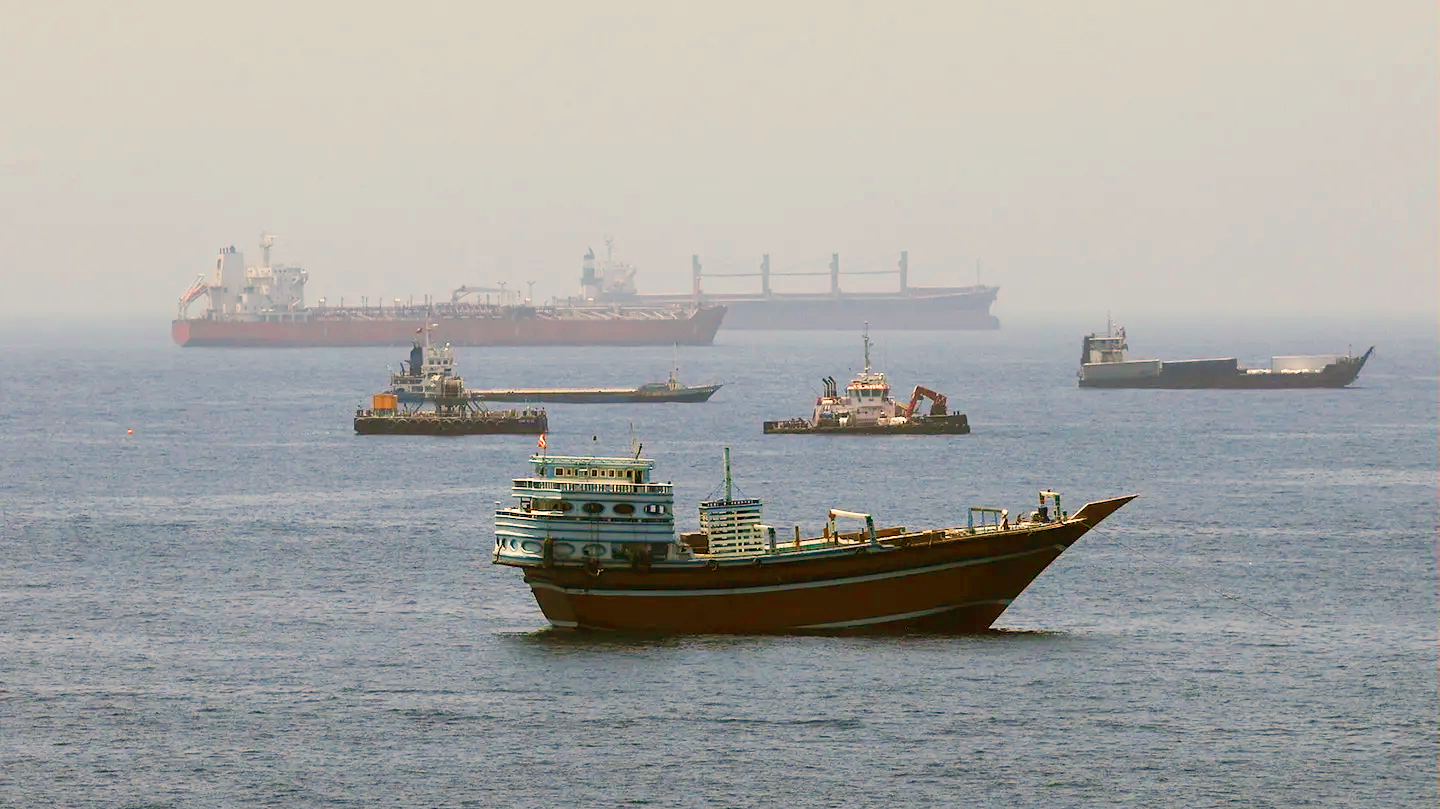
The Strait of Hormuz remains an extremely tense waterway and traffic will not be flowing normally through it for some time to come. The post Plan To Evacuate Hundreds Of Ships Still Stranded From Strait Of Hormuz Closure Is Coalescing appeared first on TWZ .
The Strait of Hormuz closure represents an ongoing, critical disruption to global maritime trade, necessitating immediate and coordinated international responses to clear the backlog of stranded vessels.
This event highlights the fragility of crucial maritime chokepoints and the significant economic and geopolitical repercussions when they are disrupted, impacting global supply chains and energy markets.
The immediate focus shifts from managing the initial disruption to executing a complex, multi-national operation to restore maritime traffic, revealing the logistical challenges and international cooperation required.
- · Naval forces involved in the evacuation
- · Insurance companies (potentially higher premiums)
- · Alternative shipping routes/modes
- · Shipping companies with stranded vessels
- · Global trade and supply chains
- · Energy consumers (due to potential price increases)
Hundreds of ships remain blocked, causing significant delays and increased shipping costs.
International naval cooperation will intensify to secure vital maritime passages and manage future disruptions.
Nations may accelerate investments in diversifying energy supply routes and building more resilient, localized supply chains to mitigate chokepoint risks.
This signal links to a primary source. Continuum Brief monitors and indexes it as part of the live intelligence stream — we do not republish source content.
Read at The War Zone