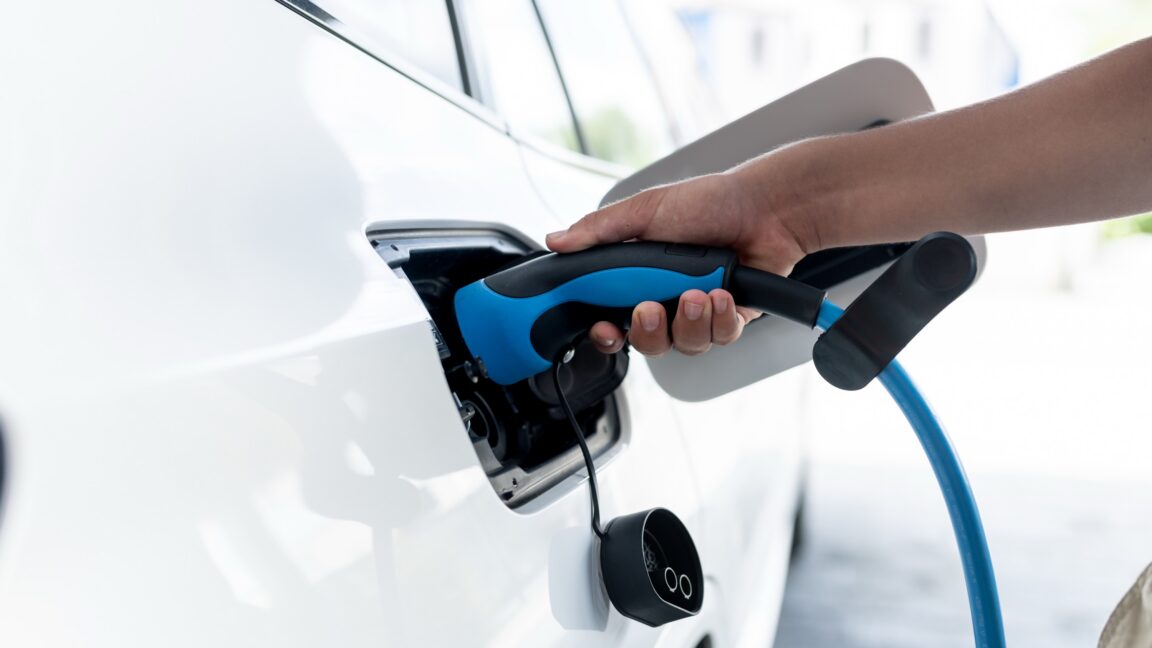
Toyota is the latest automaker to report PHEV charging stats, and they're encouraging.
Automakers like Toyota are now collecting and releasing substantial data on PHEV charging habits, allowing for a more accurate assessment of their real-world energy consumption and environmental benefits.
This data counters previous skepticism about PHEV utility and could accelerate their adoption, impacting energy infrastructure, regulatory approaches, and battery technology development.
The perception of plug-in hybrids as underutilized is shifting, indicating they might play a more significant role in the transition to electrified transport than previously assumed.
- · PHEV manufacturers (e.g., Toyota)
- · Electric grid operators
- · Battery manufacturers
- · Consumers seeking hybrid solutions
- · Internal combustion engine vehicle manufacturers
- · Oil and gas industry (long-term, marginal impact)
- · Pure EV evangelists
Increased consumer confidence and sales of plug-in hybrid electric vehicles.
Governments may adjust incentives or emission standards to favor PHEVs more, impacting fleet composition and charging infrastructure buildout.
Accelerated investment in smarter grid management and home charging solutions to handle the growing, distributed electrical load from both PHEVs and BEVs.
This signal links to a primary source. Continuum Brief monitors and indexes it as part of the live intelligence stream — we do not republish source content.
Read at Ars Technica — Cars