Polestar barred from US over the Chinese connected vehicle rule, a dangerous precedent
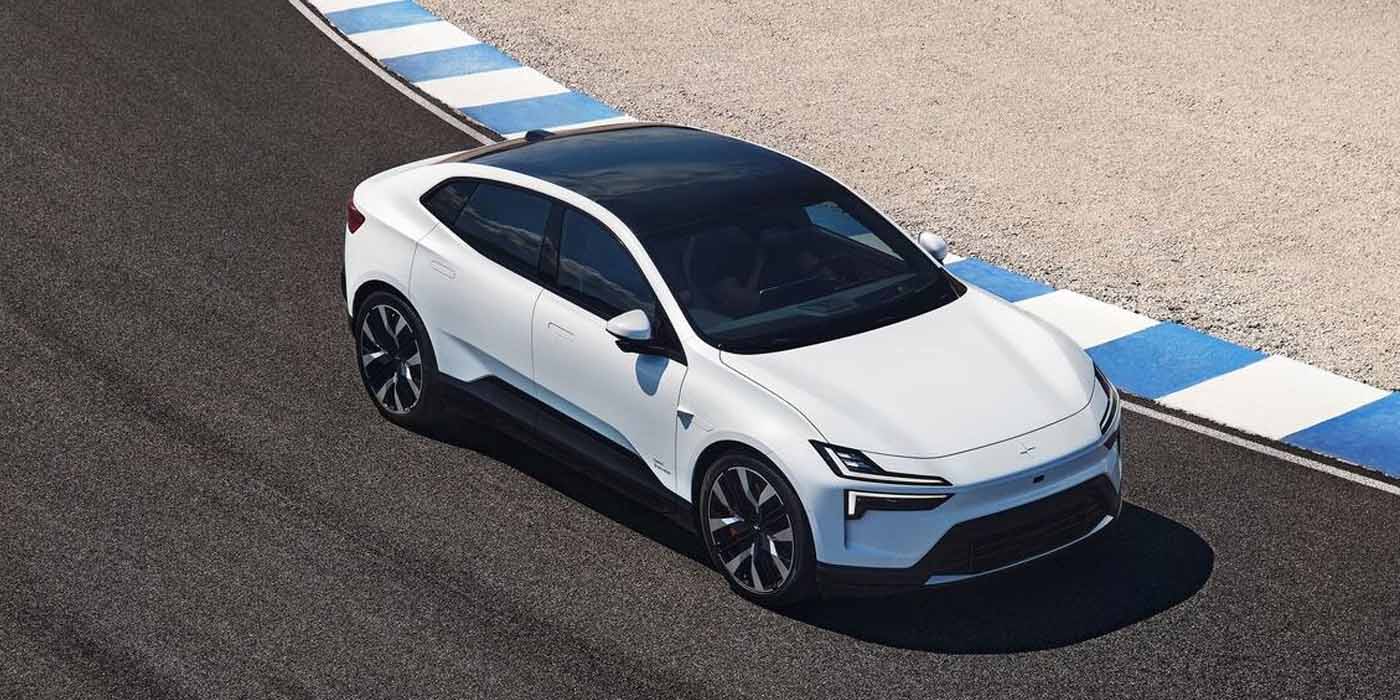
Polestar is pulling new vehicles out of the US market starting with model year 2027 after the Commerce Department declined to grant it authorization under the Connected Vehicle Rule, the company confirmed today. The decision effectively ends new-car sales in the US for the Geely-owned Swedish EV brand — even though one of its models is assembled in South Carolina.
The US Commerce Department's decision reflects an escalating trend of national security concerns shaping economic policy, specifically targeting technology embedded in vehicles with foreign ties.
This event validates that geopolitical tensions are increasingly impacting market access for advanced technologies, creating fragmentation not just in tech stacks but in product availability based on origin.
The explicit exclusion of an automaker due to its foreign ownership and perceived data security risks sets a precedent for how connected technologies and potentially other advanced imported goods will be regulated in major markets.
- · US domestic automakers
- · US connected vehicle technology providers
- · Geely
- · Polestar
- · European automakers with Chinese ties
- · US consumers seeking diverse EV options
Polestar will cease new vehicle sales in the US from 2027, impacting its market share and financial outlook.
Other foreign automakers with significant Chinese ownership or technology integration will face increased scrutiny and potential market access restrictions in the US and potentially other Western markets.
This could accelerate a broader bifurcation of global automotive supply chains and technology standards, forcing companies to choose allegiance or develop region-specific product lines.
This signal links to a primary source. Continuum Brief monitors and indexes it as part of the live intelligence stream — we do not republish source content.
Read at Electrek