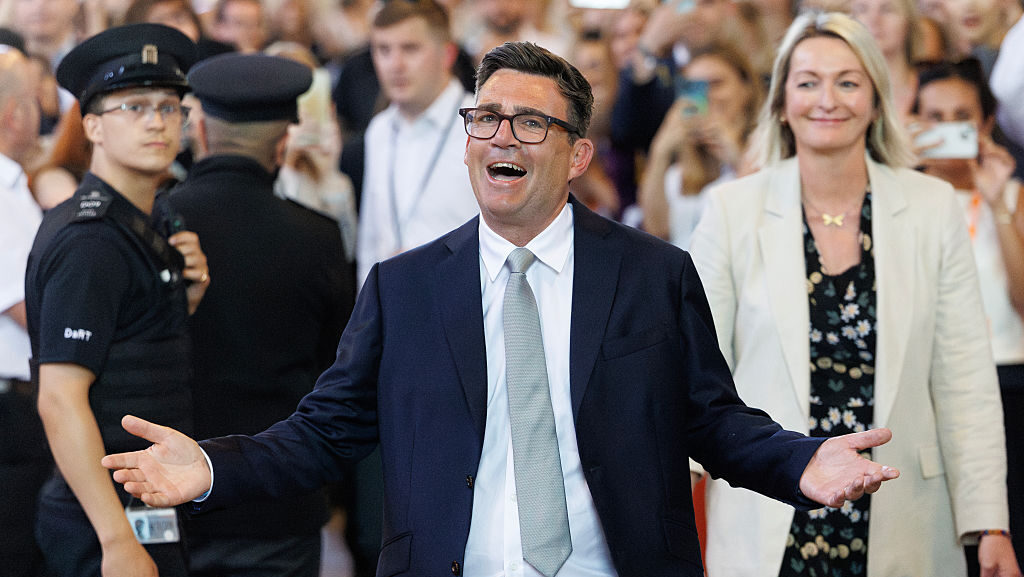
Burnham will likely want to continue many aspects of Keir Starmer’s approach to defense and security policy, but with some key differences.
The UK is facing a leadership transition, and the Prime Minster's stance on defense has immediate implications for national and international security. Speculation regarding a new administration's priorities is timely before official policy statements are formed.
A new Prime Minister's approach to defense and national security can significantly alter budgetary allocations, strategic alliances, and the direction of military technological investment. This impacts global defense postures and industrial bases, especially among NATO allies.
While substantial continuity is expected, specific policy differences under Andy Burnham could lead to re-prioritizations within the UK's defense strategy and investment plan. This may affect which defense technologies receive funding and how the UK engages internationally.
- · UK Defence Sector (if investment increases)
- · Specific defence tech companies aligned with new priorities
- · NATO allies benefiting from renewed UK commitment
- · UK Treasury (increased spending)
- · Potential legacy defense programs if priorities shift
- · Rival nations if UK defense capabilities strengthen
The UK's defense budget and strategic focus will likely be reviewed and adjusted under the new leadership.
Changes in UK defense policy could influence NATO's collective strategy and investment priorities.
Enhanced or re-directed UK defense spending might stimulate specific segments of the global defense technology industry, particularly those focused on emerging threats or capabilities.
This signal links to a primary source. Continuum Brief monitors and indexes it as part of the live intelligence stream — we do not republish source content.
Read at Breaking Defense — Air