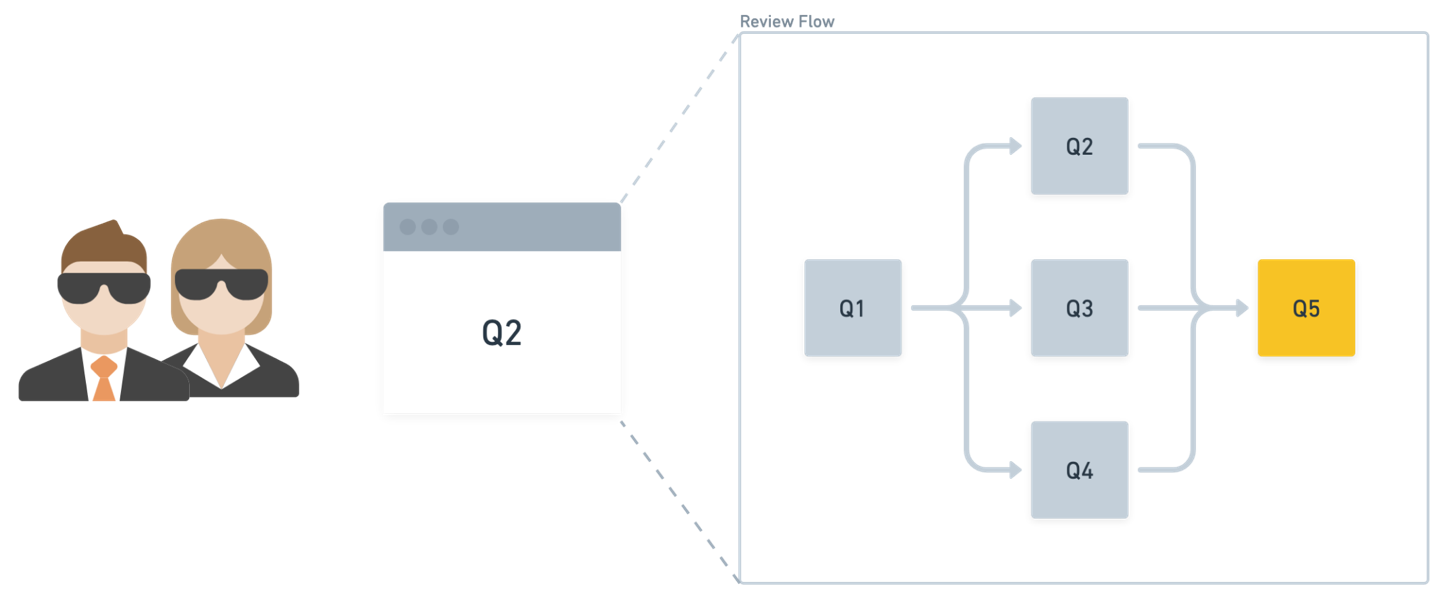
In this post, you learn how Stripe built a production-grade AI agent system for financial compliance. We cover the technical architecture of Stripe’s ReAct agent framework and the infrastructure decisions behind a dedicated agent service. We also discuss the role of human oversight in maintaining accountability, and key lessons about task decomposition, orchestration patterns, and cost optimization through prompt caching. By the end, you will understand how to design agentic systems that scale compliance operations without compromising quality or auditability.
The rapid advancement of AI models and frameworks like Amazon Bedrock has made the deployment of sophisticated AI agents in complex environments like financial compliance feasible and increasingly necessary.
This development indicates a tangible shift towards AI-driven automation in highly regulated industries, directly impacting operational efficiency, auditability, and the future of white-collar work by financial compliance professionals.
The deployment of production-grade AI agents by a major financial entity like Stripe demonstrates a proven pathway for automating and scaling high-stakes compliance operations with integrated human oversight.
- · AWS
- · Stripe
- · Financial compliance departments
- · AI agent framework developers
- · Traditional compliance software vendors
- · Compliance BPOs reliant on manual processes
Increased efficiency and reduced cost in financial compliance operations for early adopters.
Accelerated adoption of AI agents across other regulated white-collar sectors due to demonstrated success in a high-stakes environment.
Re-skilling and re-definition of financial compliance roles, with a focus on AI agent management, oversight, and exception handling rather than manual review.
This signal links to a primary source. Continuum Brief monitors and indexes it as part of the live intelligence stream — we do not republish source content.
Read at AWS Machine Learning Blog