Project Jupiter AI data center build raises concerns about water usage in rural New Mexico desert — Oracle calls water usage 'negligible' for 11 million gallon one-time fill
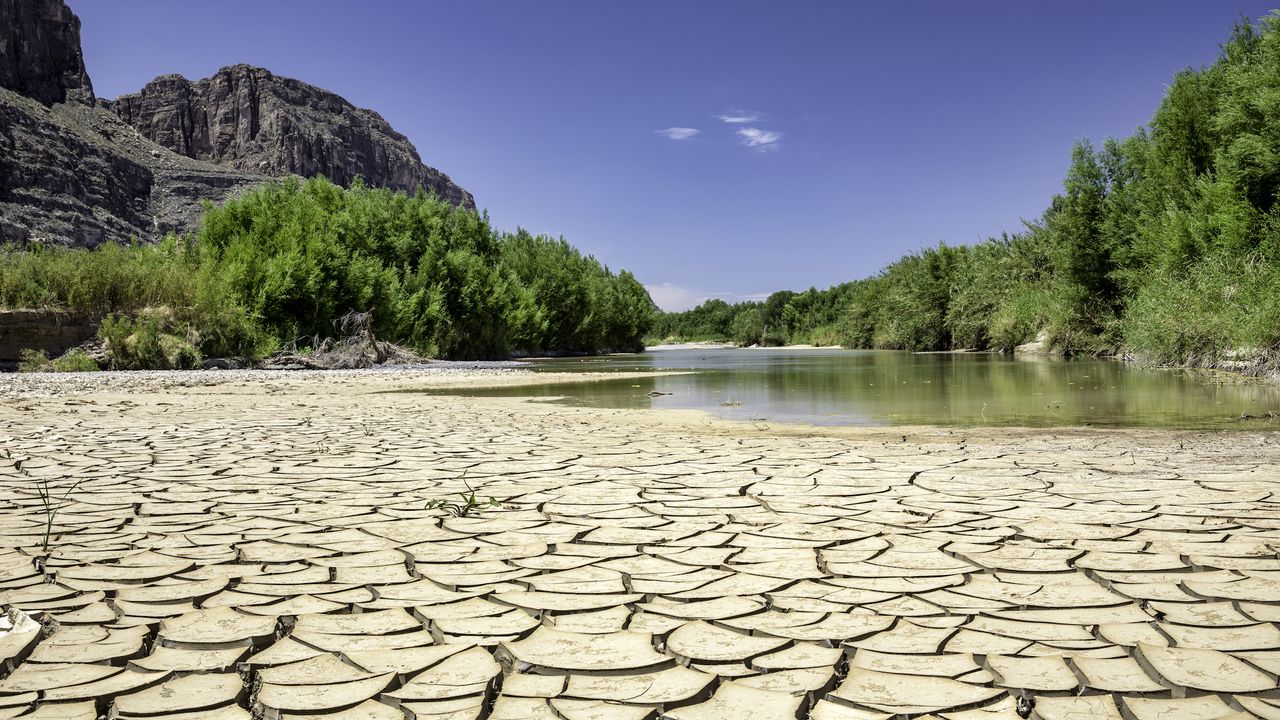
Oracle's Project Jupiter is targeting a New Mexico desert already struggling with water consumption, but the company assures residents that the data center's water usage is "negligible."
The rapid expansion of AI infrastructure is exposing environmental constraints, particularly water scarcity, in regions chosen for their cheap land and energy, such as desert environments.
The significant water demands of AI data centers, even if initially downplayed, will become a major limiting factor for AI development and may spark public opposition, impacting regulatory frameworks and site selection.
The environmental footprint, specifically water consumption, of large-scale AI compute infrastructure is becoming a critical public and regulatory concern, moving beyond just energy usage debates.
- · Water-efficient cooling technology providers
- · Regions with abundant water resources
- · Companies investing in sustainable infrastructure
- · Hyperscalers building in arid regions
- · Local communities experiencing water stress
- · Traditional, water-intensive data center designs
Public scrutiny on tech companies' resource usage will intensify, particularly regarding water.
Regulatory bodies may introduce new water usage mandates or restrictions for data centers, especially in drought-prone areas.
The economic feasibility of building new AI data centers in certain regions could be significantly altered, shifting investment towards more water-sustainable locations or technologies.
This signal links to a primary source. Continuum Brief monitors and indexes it as part of the live intelligence stream — we do not republish source content.
Read at Tom's Hardware