Putin sends submarines to survey Britain's subsea cables. UK deploys Royal Navy, mobilizes parliamentary draftsmen
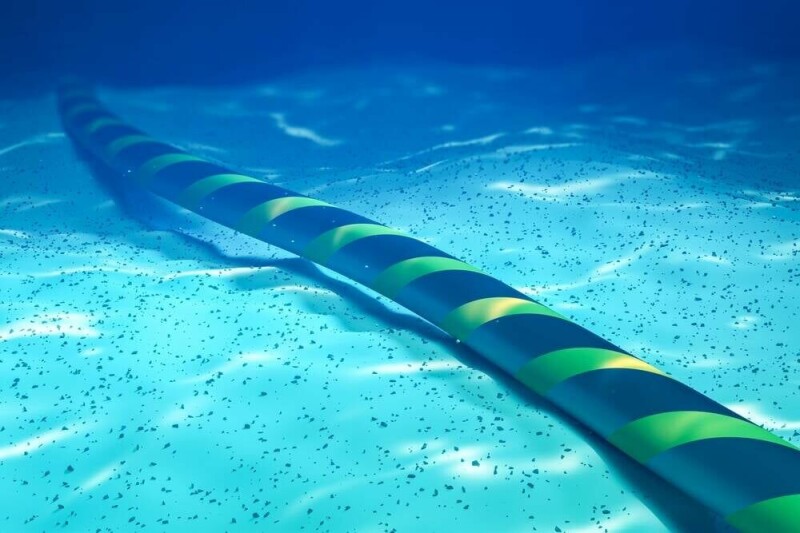
Proposed legislation threatens fines and prison for reckless damage. Russian Prez must be shaking in his boots
The increasing geopolitical tensions and reliance on subsea infrastructure for global communication and economic activity make this a critical moment for protecting these assets.
This event highlights the vulnerability of critical subsea infrastructure to state-sponsored disruption and indicates an accelerating trend towards militarization of the digital domain, requiring a defensive and legislative response.
The UK is now explicitly acknowledging and responding to direct threats to its critical subsea infrastructure, moving towards legal and military deterrents against such actions.
- · UK Royal Navy
- · Defence contractors (naval systems, subsea surveillance)
- · Cybersecurity and infrastructure protection firms
- · Russia's geopolitical leverage through subsea threats
- · Companies reliant on unprotected subsea cables
- · International maritime law (if breaches become more common)
The UK reinforces its naval presence and legislative framework to deter hostile acts against its subsea cables.
Other nations with extensive subsea infrastructure become more proactive in their own defense and deterrence strategies, potentially leading to an arms race in subsea capabilities.
Increased global investment in redundant subsea cable routes and alternative satellite-based communication systems to mitigate single points of failure.
This signal links to a primary source. Continuum Brief monitors and indexes it as part of the live intelligence stream — we do not republish source content.
Read at The Register