Race against re-entry: Swift's would-be saviour straps itself to a rocket
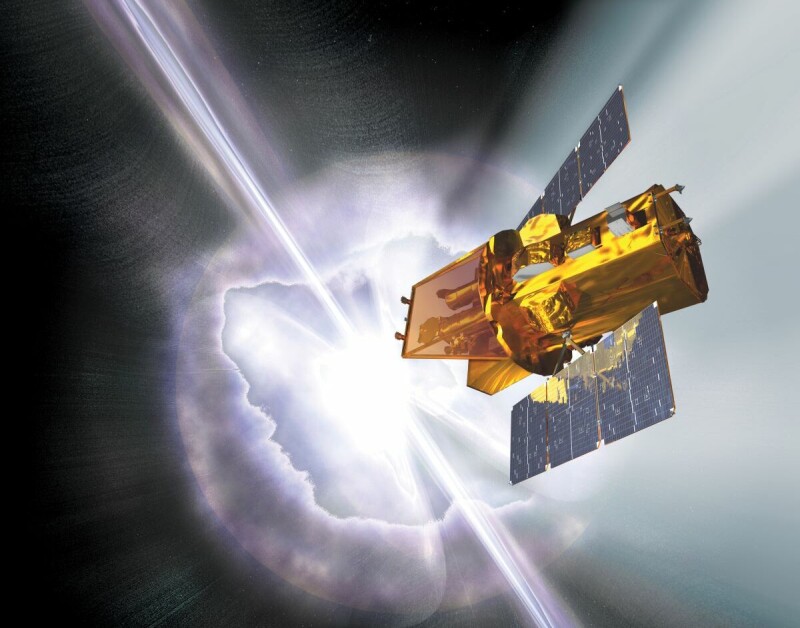
Katalyst's LINK spacecraft is go for integration, with a launch from Kwajalein expected within weeks
The increased pace of space debris generation and the critical need to protect orbital assets are driving urgent innovation in active debris removal technologies.
Successful orbital debris removal is crucial for the long-term sustainability of space operations, impacting everything from national security to commercial satellite services.
The imminent launch of Katalyst's LINK spacecraft represents a significant step towards proving viable technologies for active space debris removal beyond theoretical concepts.
- · Katalyst
- · Satellite operators
- · Space launch providers
- · In-orbit servicing industry
- · Companies reliant on a debris-heavy orbital environment
Successful deployment and demonstration of the LINK spacecraft could validate active debris removal as a practical and necessary service.
Validation of debris removal technology could encourage investment and regulation to clean up existing space junk and enforce future responsible space practices.
A cleaner orbital environment could lower insurance costs for satellite launches and operations, enabling a faster expansion of the space economy.
This signal links to a primary source. Continuum Brief monitors and indexes it as part of the live intelligence stream — we do not republish source content.
Read at The Register