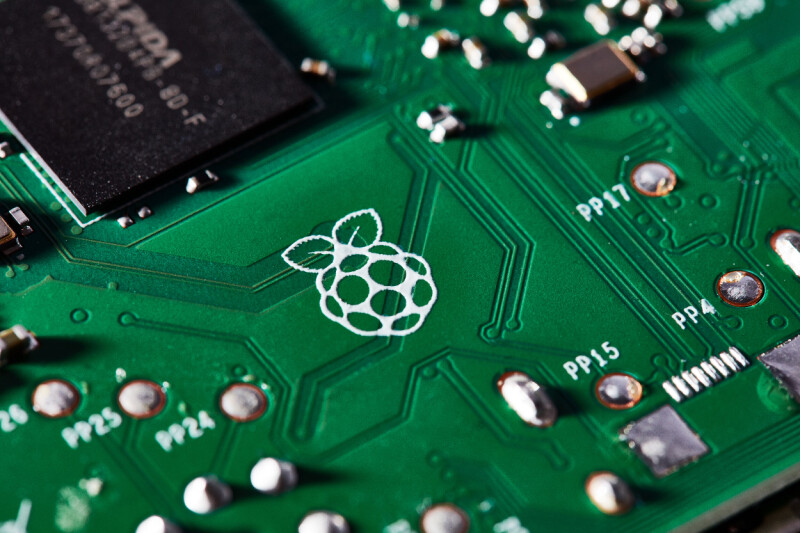
Forecasts earnings well ahead of expectations, even as it taps credit facilities to lock in memory supply
The rapid expansion of compute-intensive applications, particularly in AI and embedded systems, is driving unprecedented demand for memory, manifesting as increased costs and strategic supply chain management for hardware manufacturers.
This highlights the escalating cost and supply fragility of critical components in the compute supply chain, impacting profitability and operational sustainability for even successful hardware companies.
Hardware manufacturers are increasingly facing significant cost pressures from memory components, forcing them to either absorb higher expenses, pass them to consumers, or implement aggressive supply lock-in strategies.
- · DRAM manufacturers
- · Companies with strong credit facilities or cash reserves
- · Hardware manufacturers with thin margins
- · Consumers facing higher product costs
Raspberry Pi's profitability is directly impacted by rising DRAM costs, necessitating credit usage to secure supply.
Other hardware manufacturers will likely face similar or greater challenges in managing memory supply and costs, potentially leading to price increases or product delays.
The sustained demand for memory could accelerate investment in new fabrication facilities, but also increase geopolitical competition for control over semiconductor supply chains.
This signal links to a primary source. Continuum Brief monitors and indexes it as part of the live intelligence stream — we do not republish source content.
Read at The Register