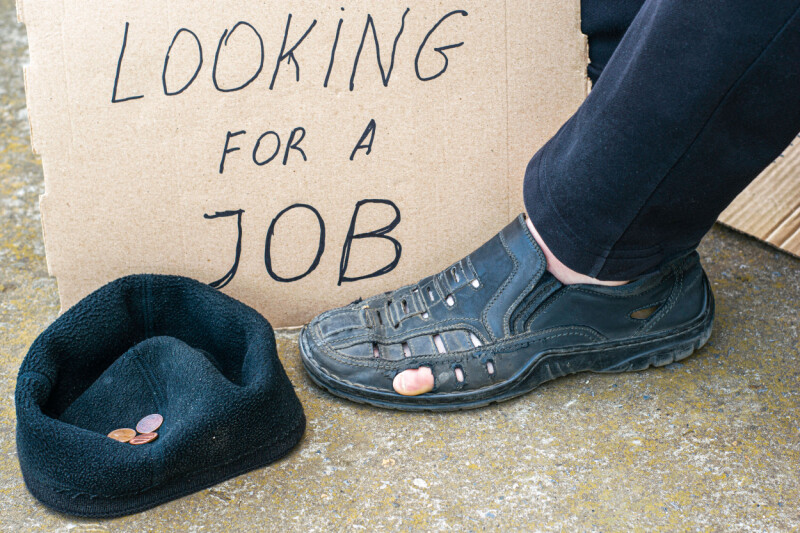
Young professionals may be perfectly productive while working from home, says the New York Fed, but the quality of their output isn't so great, so companies don't want to hire them
The prolonged period of remote work following the pandemic is now yielding sufficient data for institutions like the New York Fed to analyze its long-term impact on workforce dynamics and productivity.
This challenges the prevailing assumption that remote work is universally beneficial and highlights a potential structural issue in the development of young professionals, impacting future talent pools and economic productivity.
The perception of remote work's efficacy, particularly for junior roles, is shifting, potentially leading to revised corporate policies on hybrid or in-office requirements for new hires.
- · Companies with strong in-office training programs
- · Real estate for commercial office spaces
- · Older, more experienced workers
- · Young professionals entering the workforce
- · Companies reliant on fully remote junior talent
- · Remote work software providers
Companies may increasingly mandate in-office presence for entry-level positions to improve mentorship and output quality.
This could exacerbate urban housing demand as young professionals migrate to cities for in-office roles, while creating talent shortages in areas where remote work was a primary draw.
Long-term, this could lead to a bifurcation of the workforce, with senior roles having remote flexibility and junior roles primarily in-office, potentially impacting social mobility and geographic distribution of talent.
This signal links to a primary source. Continuum Brief monitors and indexes it as part of the live intelligence stream — we do not republish source content.
Read at The Register