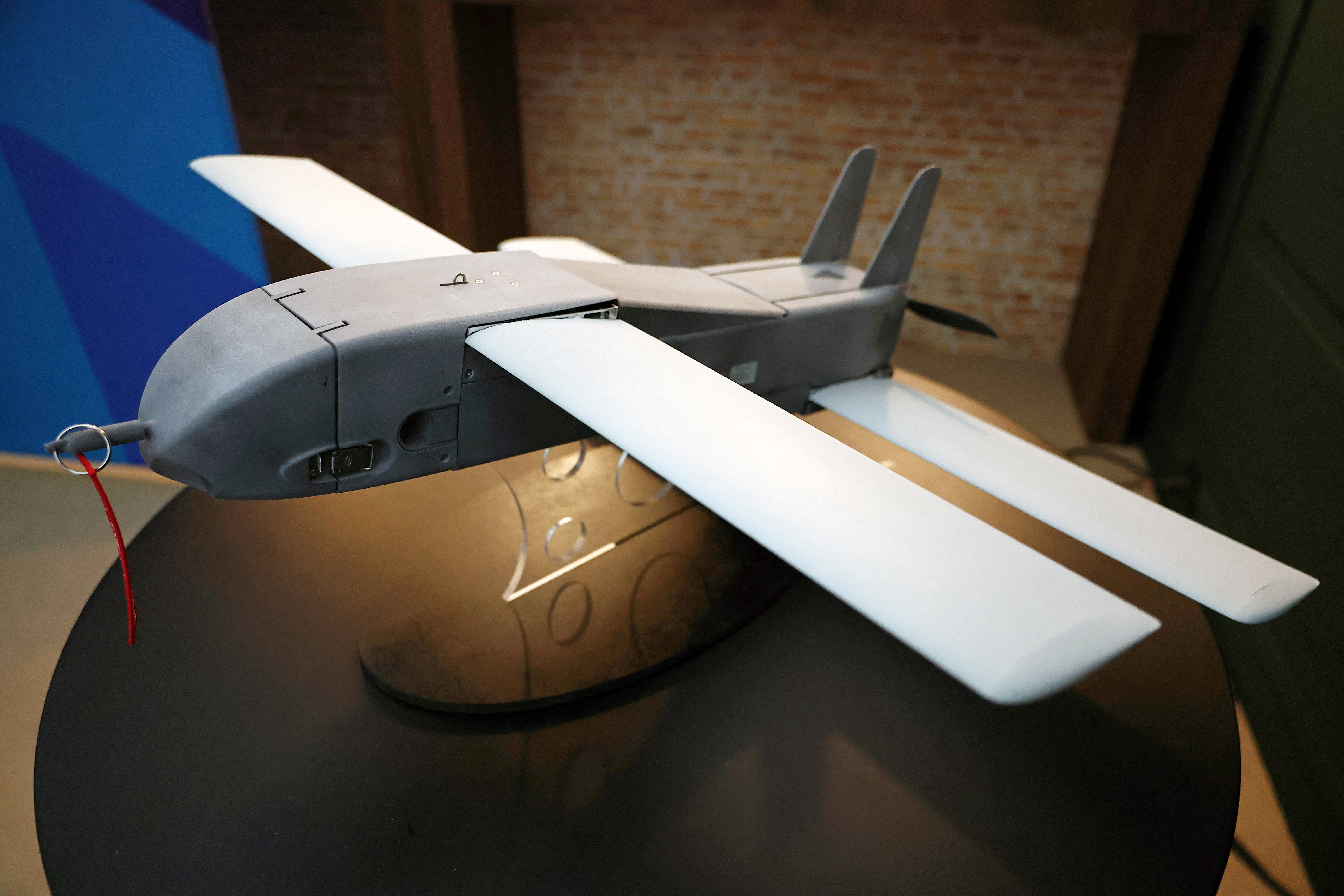
The carmaker will build Thales’ Toutatis remotely operated loitering munitions at one of its factories, with estimated production of 1,000 units a month.
The ongoing conflicts globally and the resulting high demand for low-cost, mass-producible defence technology are forcing industrial economies to re-evaluate and retool their manufacturing capabilities for military applications.
This collaboration signifies a strategic pivot in Western industrial policy, moving towards rapid, decentralized production of critical defence assets by leveraging existing automotive manufacturing infrastructure.
Traditional defence procurement and production models are being augmented by agile, high-volume manufacturing partnerships with commercial industry, significantly increasing drone output capacity.
- · Thales
- · Renault
- · French Defence Industrial Base
- · European drone manufacturers
- · Traditional defence contractors focused on bespoke, low-volume production
- · Bureaucratic defence procurement processes
France's domestic drone production capacity will increase significantly, enhancing its strategic autonomy in this critical defence area.
This model may be replicated by other European nations, fostering a broader trend of leveraging commercial manufacturing for military hardware.
The integration of commercial assembly lines could drive down the cost of advanced defence systems, enabling greater mass deployment and potentially altering operational doctrines.
This signal links to a primary source. Continuum Brief monitors and indexes it as part of the live intelligence stream — we do not republish source content.
Read at C4ISRNET