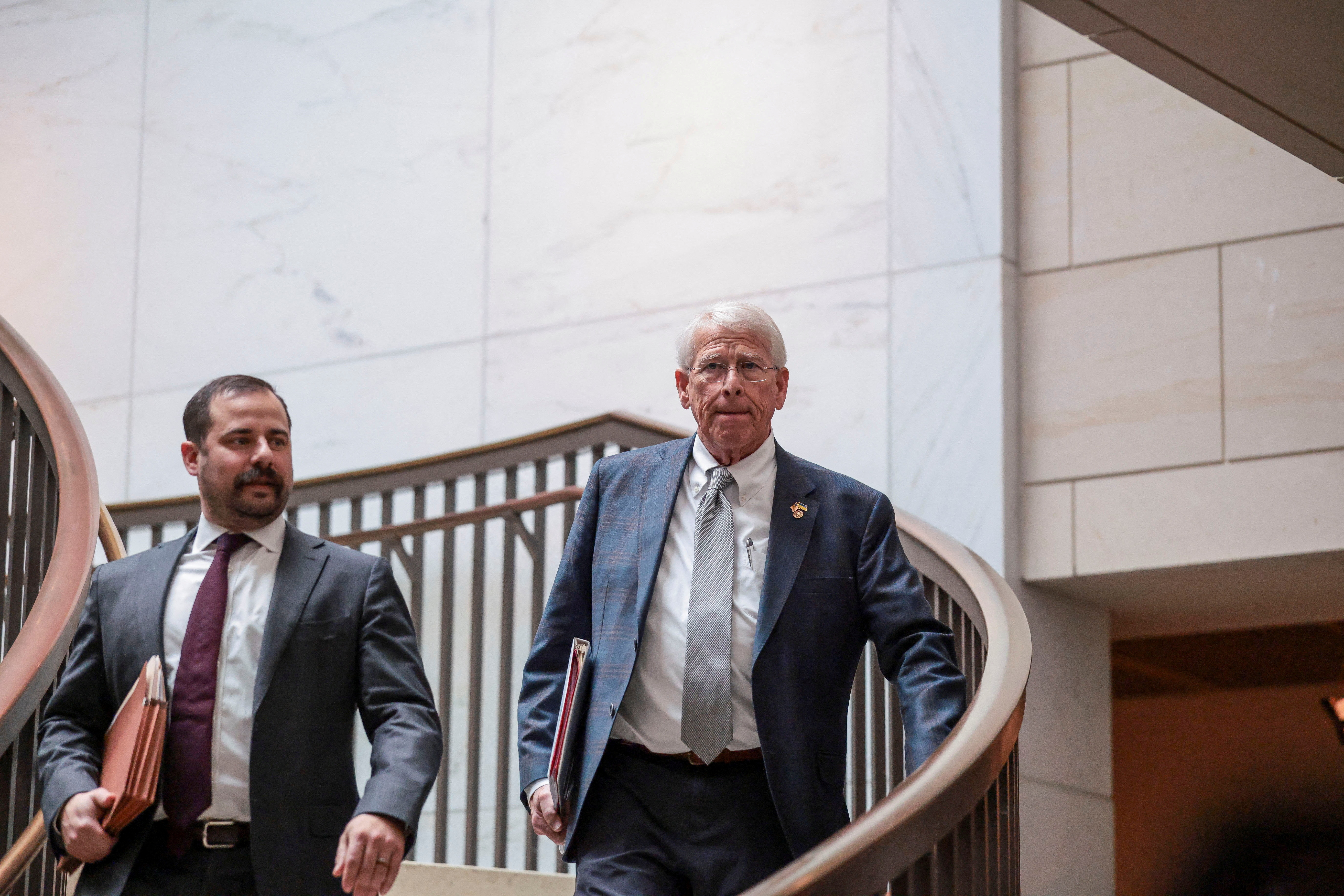
One Republican senator called the framework pact announced this week the “worst foreign policy blunder in decades.”
The details of the Iran agreement have just emerged, prompting immediate and strong political backlash from a key opposition party.
This event highlights significant political division within the US regarding foreign policy, which could impact the agreement's implementation and long-term viability, affecting regional stability and global diplomatic efforts.
The consensus around foreign policy regarding Iran is fractured, potentially making any US engagement with Iran highly susceptible to domestic political shifts.
- · Opponents of the Iran agreement
- · Hardline elements within Iran
- · US administration's foreign policy goals
- · Diplomatic resolution efforts
The Iran agreement faces significant political hurdles and potential obstruction from the US Congress.
This domestic opposition could embolden other nations or factions to challenge international diplomatic frameworks.
Long-term, it may contribute to a perceived unreliability of US foreign policy commitments, affecting future international negotiations.
This signal links to a primary source. Continuum Brief monitors and indexes it as part of the live intelligence stream — we do not republish source content.
Read at Air Force Times