Researcher turns wi-fi smart lightbulb into a Banned Book Library — open source project makes digital books available via a server and open Wi-Fi access point hacked into an ESP32-powered bulb
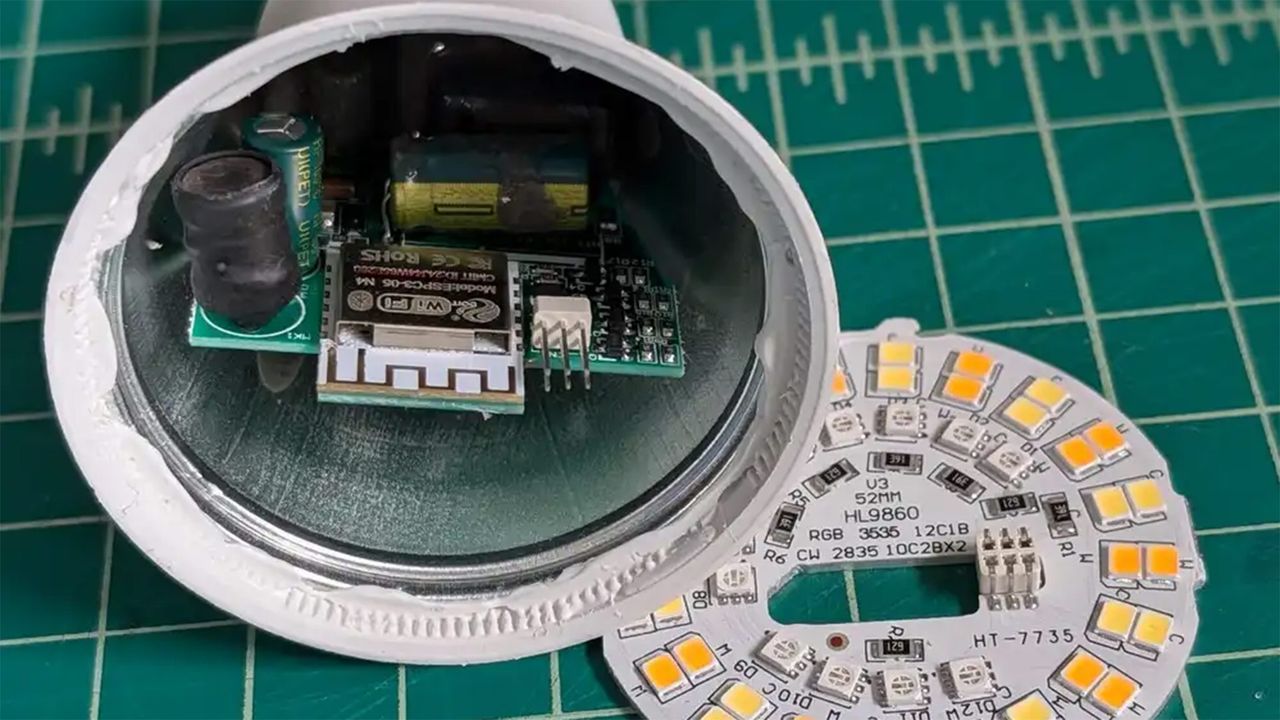
A security researcher has added another dimension to smart lightbulbs by stealthily adding what they call a 'cyberpunk digital dead drop' full of 'banned books.'
The proliferation of cheap, programmable IoT devices like ESP32-powered lightbulbs, combined with growing concerns about information access and censorship, enables creative uses for technology.
This demonstrates a low-cost, decentralized method for information dissemination that can circumvent traditional controls, highlighting potential vectors for darknets and resistance to censorship.
The concept of ubiquitous smart devices as potential conduits for unauthorized information flow is reinforced, shifting perception from mere convenience to potential risk or tool for subversion.
- · Information rights activists
- · Open-source hardware communities
- · Digital archivists
- · Censors
- · Traditional content distributors
Smart devices become known not just for their primary function but also for their potential as covert data transfer nodes.
Increased scrutiny and potential regulation on the modifiability and security of consumer IoT devices.
The emergence of a 'digital underground' leveraging distributed, inconspicuous networks for information exchange, making censorship far more complex.
This signal links to a primary source. Continuum Brief monitors and indexes it as part of the live intelligence stream — we do not republish source content.
Read at Tom's Hardware