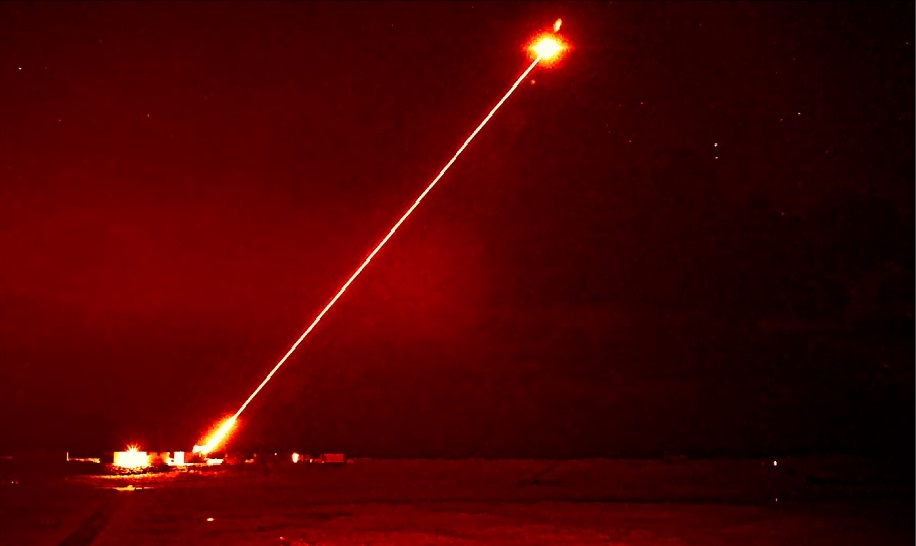
Rheinmetall and MBDA aim to field an operational laser weapon for the German Navy in 2029.
European nations are accelerating their investment in advanced defense technologies, particularly in response to evolving geopolitical tensions and the need for modernizing their military capabilities.
The development of operational laser weapons marks a significant technological leap in naval defense, offering new capabilities for missile defense and close-range engagement with lower logistical footprints than traditional munitions.
Naval warfare could see a shift towards directed energy weapons for defensive roles, potentially impacting traditional ordnance manufacturing and defense strategies.
- · Rheinmetall
- · MBDA
- · German Navy
- · European defense tech
- · Traditional missile manufacturers
- · Adversaries relying on conventional missile arsenals
The German Navy gains a new, advanced defensive capability, enhancing its operational effectiveness and reducing reliance on costly interceptor missiles.
Other European navies may accelerate their own laser weapon development and procurement, fostering a regional arms race in directed energy technologies.
The widespread adoption of naval laser weapons could necessitate new counter-measures and tactical doctrines, fundamentally altering the calculus of naval engagements.
This signal links to a primary source. Continuum Brief monitors and indexes it as part of the live intelligence stream — we do not republish source content.
Read at Defense News