Right sized for the fight, smaller Group 2 drones are solving for the limitations of larger UAS
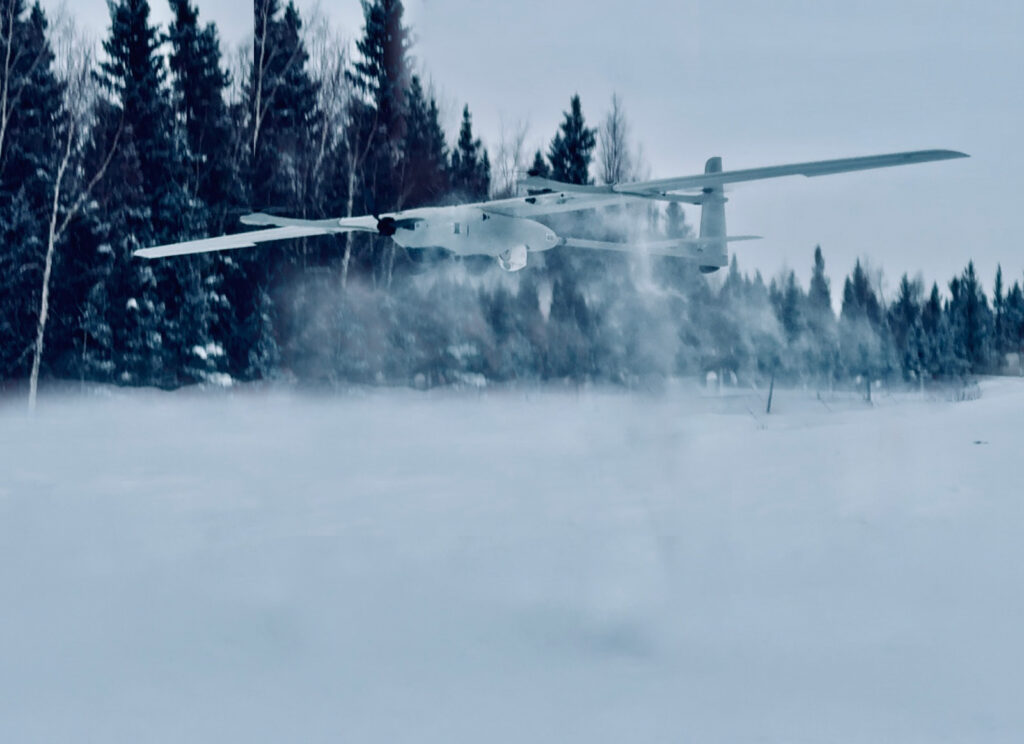
[Sponsored] It’s fuel cells, not batteries, that let Group 2 unmanned VTOLS fulfill many missions of larger Group 3s.
The increasing demand for battlefield efficiency and reduced logistical burdens is driving innovation in smaller, more versatile unmanned systems, particularly with advancements in alternative power sources like fuel cells.
This development indicates a tangible shift in defence procurement and operational strategy towards smaller, more agile autonomous systems capable of performing missions traditionally reserved for larger, more costly platforms.
The operational flexibility and cost-effectiveness of Group 2 drones are significantly enhanced, potentially altering force structures and procurement priorities for intelligence, surveillance, and reconnaissance (ISR) capabilities.
- · Drone manufacturers
- · Fuel cell technology providers
- · Lower-tier military contractors
- · Smaller military units
- · Manufacturers of large Group 3 UAS
- · Traditional manned ISR platforms
- · High-cost defence programs
Fuel cell powered Group 2 drones gain rapid adoption for various military missions due to their extended endurance and reduced footprint.
Defence budgets reallocate funds from larger, more complex systems to mass production and deployment of these smaller, autonomous platforms.
The proliferation of these 'right-sized' drones fundamentally shifts tactical and strategic approaches to intelligence gathering and battlefield presence, enabling more distributed and persistent operations.
This signal links to a primary source. Continuum Brief monitors and indexes it as part of the live intelligence stream — we do not republish source content.
Read at Breaking Defense — Air