Rights groups brand Home Office's AI age guesser for asylum-seekers as biased and inaccurate
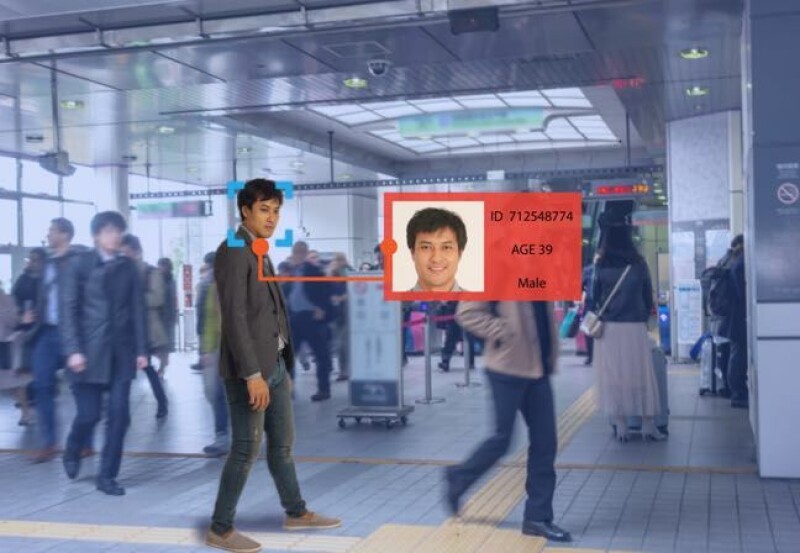
Campaigners say tech is unable to reliably distinguish between kids and adults at the boundary where use is planned
The deployment of AI for sensitive government functions, particularly involving vulnerable populations like asylum-seekers, brings immediate scrutiny regarding its real-world performance against ethical and accuracy standards.
This highlights the growing tension between government reliance on AI for efficiency and the critical need for unbiased and accurate systems, especially in areas with profound human impact.
Increased scrutiny and public pressure will likely lead to stricter regulations and testing protocols for AI systems used in public administration, potentially slowing adoption or requiring significant re-engineering.
- · Civil rights organizations
- · Independent AI ethics auditors
- · Developers of transparent/explainable AI
- · Government agencies deploying unproven AI
- · AI developers prioritizing speed over accuracy in sensitive applications
- · UK Home Office
Immediate backlash and potential suspension of the specific AI system by the Home Office.
Increased legal challenges against government decisions made using AI, setting precedents for algorithmic accountability.
A broader global re-evaluation of ethical guidelines and regulatory frameworks for AI in public services, potentially hindering cross-border AI cooperation.
This signal links to a primary source. Continuum Brief monitors and indexes it as part of the live intelligence stream — we do not republish source content.
Read at The Register