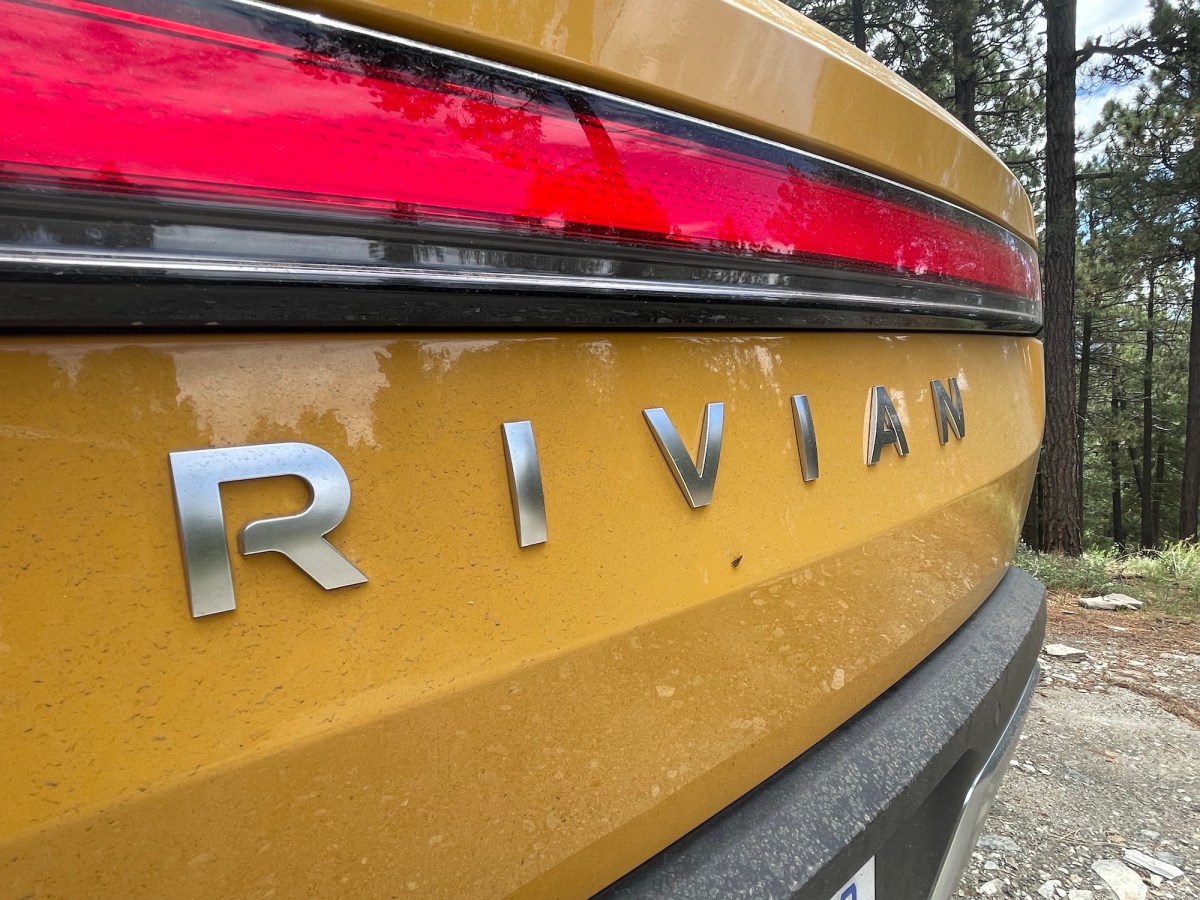
Plaintiffs in the class action complaint allege Rivian falsely promised for years it would bring hands-free driving to its first-generation R1 vehicles.
The increased rollout of autonomous features and long-standing promises from manufacturers are creating a heightened expectation among consumers, leading to legal action when these expectations are unmet.
This lawsuit highlights the significant legal and reputational risks associated with overpromising on advanced autonomous driving capabilities, potentially shaping future regulatory approaches and consumer trust in the autonomous vehicle sector.
Automakers will likely become more cautious in their marketing and public statements regarding autonomous driving features, increasing transparency about current capabilities versus future plans.
- · Consumer protection lawyers
- · Prudent automotive marketing departments
- · Regulators setting clearer standards
- · Rivian
- · Automakers with aggressive self-driving claims
- · Early adopters expecting full autonomy
Increased litigation against technology companies for unfulfilled product promises, particularly in rapidly evolving sectors.
Heightened scrutiny from federal trade commissions and consumer protection agencies on the marketing claims of autonomous vehicle manufacturers.
A potential chilling effect on innovation disclosure as companies become more conservative about publicizing advanced R&D projects until fully commercialized.
This signal links to a primary source. Continuum Brief monitors and indexes it as part of the live intelligence stream — we do not republish source content.
Read at TechCrunch — Transportation