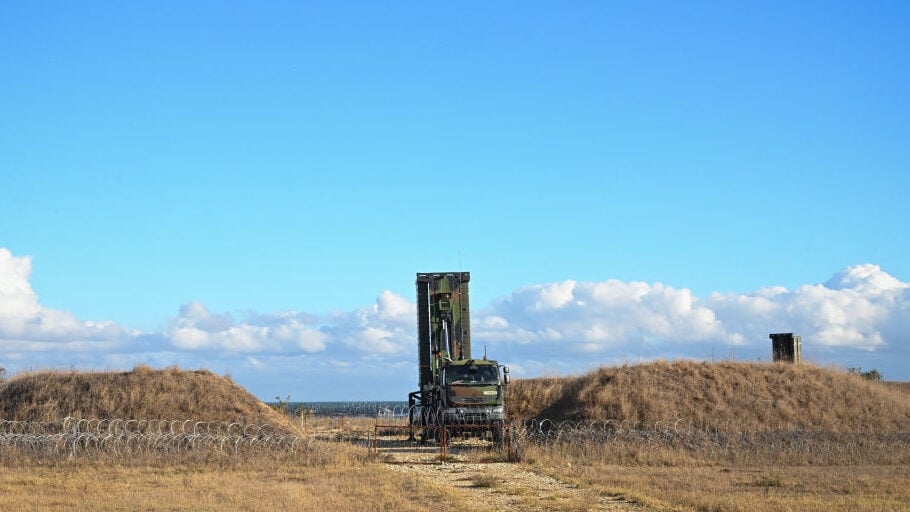
Romania has further requested that allied anti-drone capabilities be deployed to its territory in order to bolster its defenses as well as NATO’s eastern flank.
The increased frequency and proximity of Russian drone activity near NATO borders necessitate an immediate response from member states to bolster defense capabilities.
This event highlights the escalating threat of drone warfare and prompts a re-evaluation of national and alliance-level air defense strategies, particularly for NATO's eastern flank.
Romania is actively deploying advanced aerial assets and requesting further allied counter-drone capabilities, indicating a more robust and immediate defensive posture against drone threats.
- · Defence contractors (counter-drone tech)
- · NATO (increased coordination)
- · Romania (enhanced security)
- · Civilian infrastructure near borders
Romania's immediate deployment of F-16s and request for allied anti-drone systems signifies a direct escalation in defensive measures against border incursions.
This pressure will likely accelerate NATO's procurement and deployment of advanced counter-drone technologies across its eastern members, modernizing air defense paradigms.
The sustained threat could lead to broader strategic shifts within NATO, prioritizing integrated air and missile defense systems and potentially shaping future doctrine for aerial border security.
This signal links to a primary source. Continuum Brief monitors and indexes it as part of the live intelligence stream — we do not republish source content.
Read at Breaking Defense