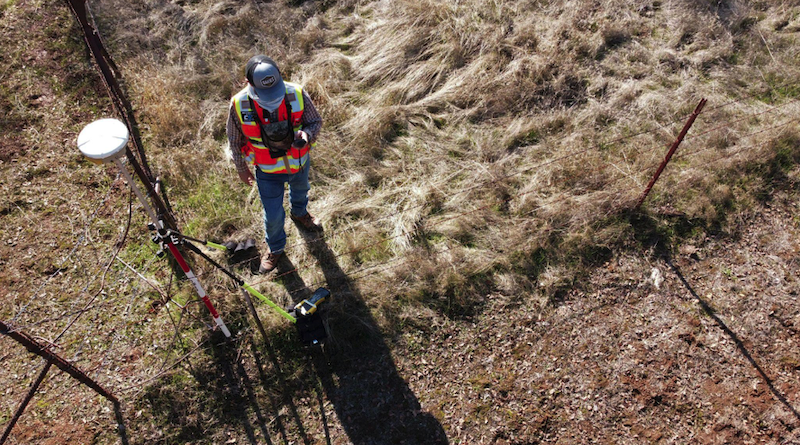
Accurate field positioning depends on more than a good GNSS receiver. The correction network behind the receiver also matters because station distance, signal quality, uptime, and regional availability affect how stable the final position is. Strong RTK precision is easier to maintain when field teams use RTKdata as a provider with access to a large […]
The increasing sophistication and accessibility of GNSS technology, coupled with the demand for higher precision in various industries, makes the optimization of RTK data coverage a key focus.
Precise positioning is foundational for advanced automation, robotics, and mapping, directly impacting efficiency and capability in construction, agriculture, and other critical sectors.
The focus is shifting from merely having GNSS receivers to ensuring robust and extensive RTK correction networks are available, highlighting the critical infrastructure behind the technology.
- · RTK data providers
- · Construction companies
- · Robotics manufacturers
- · Precision agriculture
- · Companies relying on subpar positioning systems
- · Field teams in areas with poor RTK coverage
Improved accuracy in automated tasks like drone mapping and robotic construction.
Accelerated adoption of autonomous systems due to enhanced reliability and precision.
Reduced operational costs and increased productivity across industries heavily dependent on geospatial accuracy, potentially leading to new economic models.
This signal links to a primary source. Continuum Brief monitors and indexes it as part of the live intelligence stream — we do not republish source content.
Read at Robotics & Automation News