Russia’s new ‘Starlink‑Style’ Rassvet fleet loses its first satellite after weeks — Object 4 drops out of orbit but 15 others remain
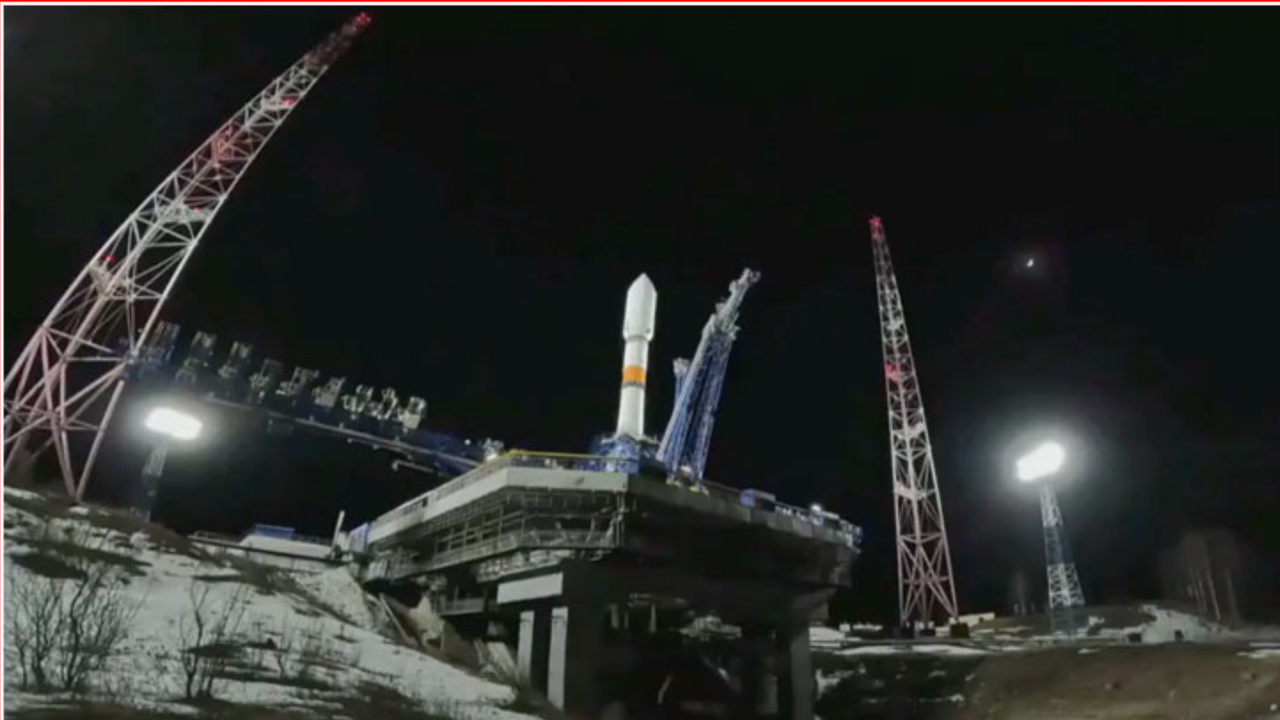
Object 4, one of 16 satellites in the first operational batch of Russia's Rassvet broadband network, re-entered Earth's atmosphere on approximately June 6th.
This event occurs as nations increasingly invest in independent satellite internet capabilities, driven by national security and digital sovereignty concerns.
The failure of a Russian satellite highlights the complexities and high failure rates inherent in deploying advanced space-based infrastructure, impacting reliability and investment calculations.
This incident underscores the technical challenges and risks associated with establishing indigenous broadband constellations, potentially slowing the pace of similar projects or increasing their cost estimates.
- · Established satellite internet providers (e.g., Starlink)
- · Satellite insurance sector
- · Russia's Rassvet program
- · Russian space industry
The Rassvet program faces immediate setbacks and potential redesigns due to early satellite failure.
Other nations considering similar independent satellite internet systems may re-evaluate their technical approaches and risk profiles.
Increased global scrutiny on the economic and technical viability of new national satellite internet constellations, potentially stifling competition with existing dominant players.
This signal links to a primary source. Continuum Brief monitors and indexes it as part of the live intelligence stream — we do not republish source content.
Read at Tom's Hardware