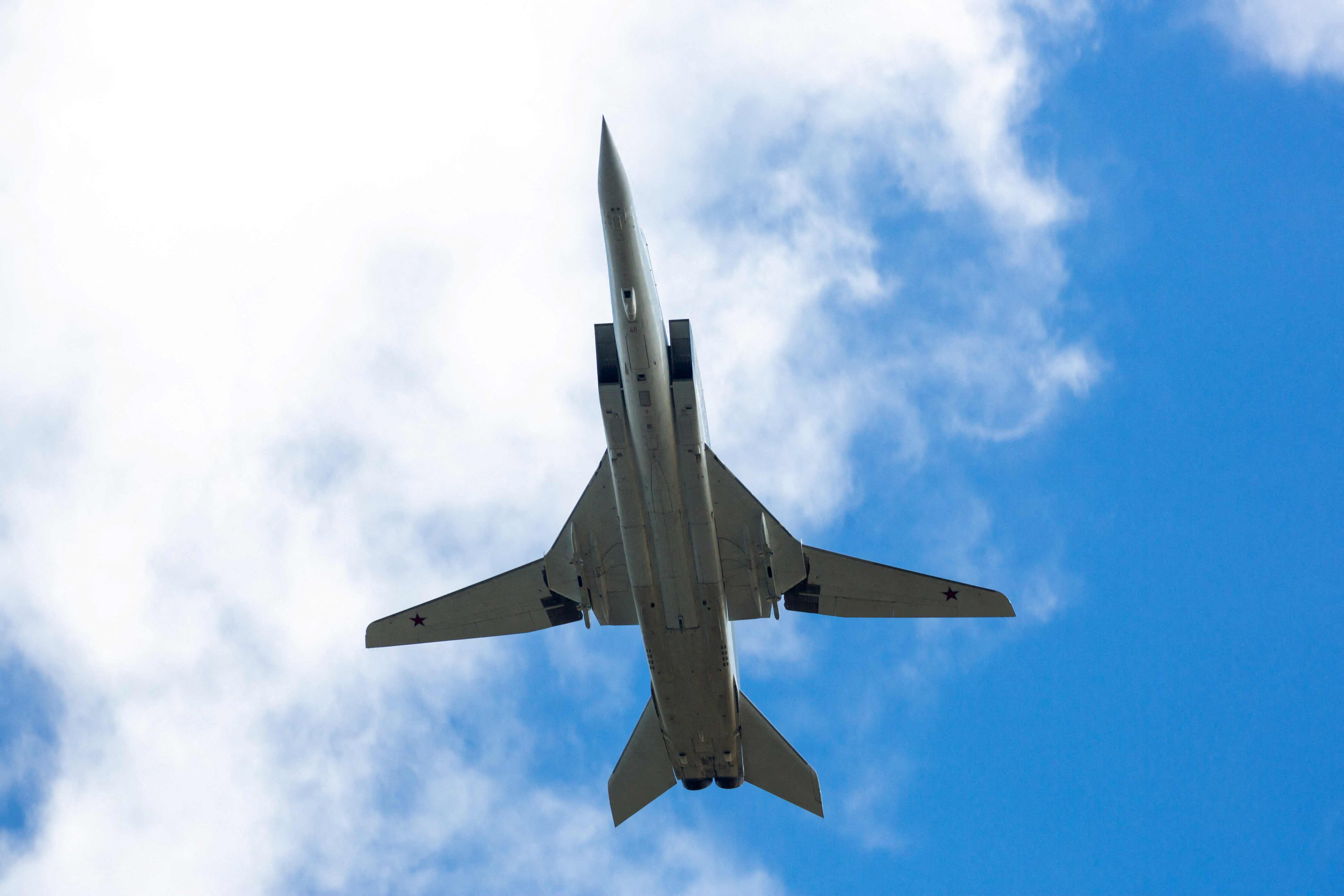
The Soviet-era supersonic bomber has most recently been used by Russia for combat missions in Syria and Ukraine.
The incident occurs amidst ongoing military engagements in Ukraine and Syria, where Russia has been heavily deploying its aging military assets.
This event highlights the increasing strain on Russia's military, particularly its aging air force, and could impact its operational capabilities and industrial base.
The loss of a strategic bomber, even a Soviet-era one, further depletes Russia's long-range strike capacity and may force a re-evaluation of its operational readiness and maintenance protocols.
- · Western defense manufacturers
- · NATO intelligence
- · Russian Aerospace Forces
- · Russian military industrial complex
The immediate consequence is the loss of military hardware and potentially lives, alongside a temporary reduction in Russia's strike capabilities.
This could prompt increased scrutiny on the age and maintenance of Russia's strategic assets, potentially leading to more accidents or grounding of similar fleets.
Long-term, this incident might accelerate Russia's efforts to modernize its air force, putting further strain on its economy and potentially diverting resources from other military programs.
This signal links to a primary source. Continuum Brief monitors and indexes it as part of the live intelligence stream — we do not republish source content.
Read at Defense News