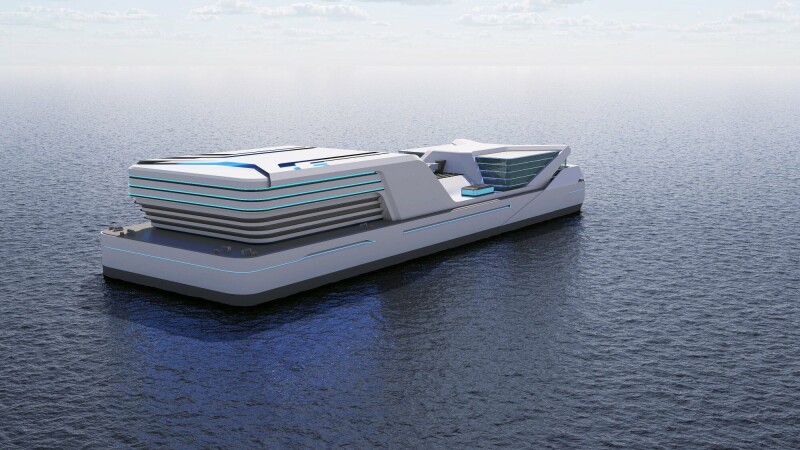
Korean megacorp sets itself a target date to commercialize watery server farm concept
The increasing power consumption and cooling demands of data centers, particularly those supporting AI workloads, are driving innovation towards more sustainable and scalable infrastructure solutions.
This initiative represents an ambitious attempt to address the energy and environmental challenges of data growth by leveraging oceanic resources, potentially reshaping data center architecture and location strategies.
Traditional land-based data center expansion faces mounting constraints; seaborne alternatives offer a new paradigm for scaling compute infrastructure with inherent access to cooling and potentially renewable energy sources.
- · Samsung Heavy Industries
- · Hyperscale cloud providers
- · Coastal regions with port infrastructure
- · Energy efficiency technology providers
- · Traditional data center real estate developers
- · Regions lacking coastal access
- · Air cooling solution providers
The successful deployment of seaborne data centers could alleviate land and energy pressures on terrestrial sites, especially for compute-intensive applications.
It might spur the development of specialized offshore energy infrastructure and maritime operational expertise for maintaining these submerged facilities.
This could lead to new geopolitical considerations regarding data sovereignty and cybersecurity for international waters or adjacent exclusive economic zones.
This signal links to a primary source. Continuum Brief monitors and indexes it as part of the live intelligence stream — we do not republish source content.
Read at The Register