Samsung narrowly avoids 18-day chip strike after last-minute wage deal with 48,000-worker union — tentative deal, subject to workers' vote, suspends billions of dollars worth of potential losses
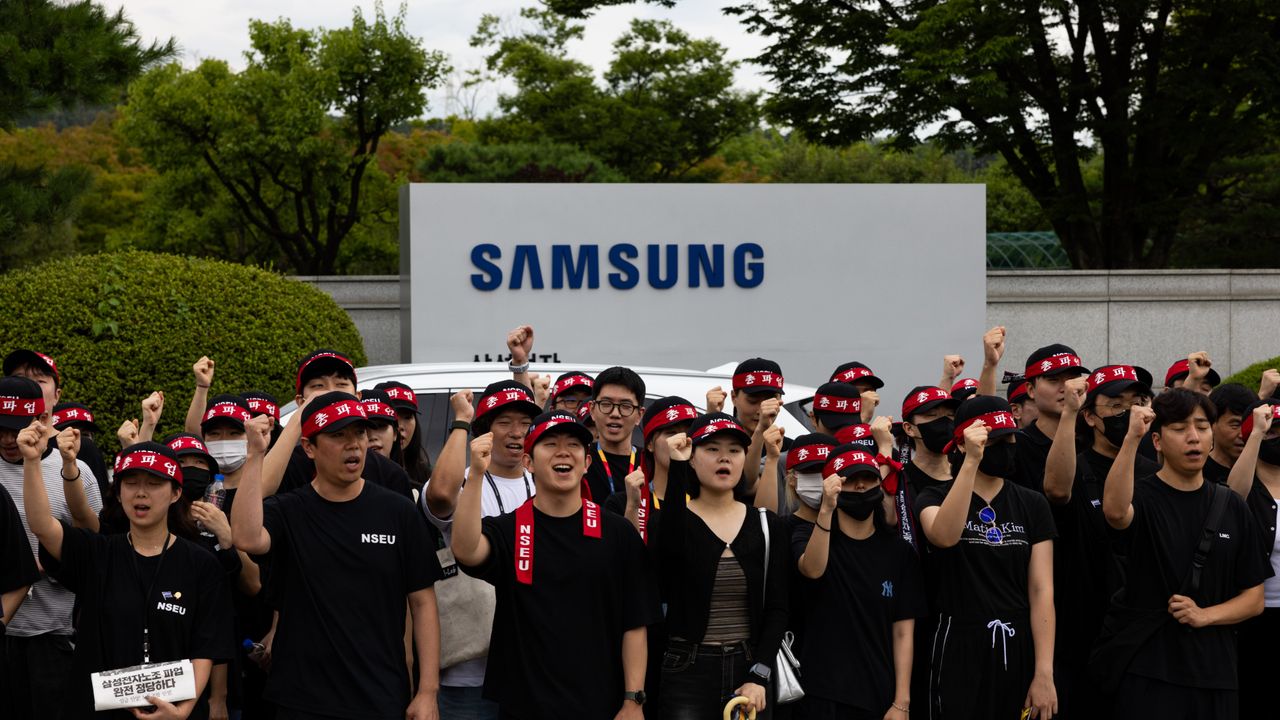
Samsung Electronics has temporarily avoided a major 18-day strike at its South Korean semiconductor operations after reaching a tentative wage agreement with its 48,000-member union.
The semiconductor industry is under intense global demand, making any disruption to leading manufacturers like Samsung highly impactful, and this near-strike reflects ongoing labor tensions amplified by economic conditions.
A strike at Samsung's semiconductor operations would have severe ripple effects across global technology supply chains, impacting everything from consumer electronics to advanced AI infrastructure.
The immediate threat of significant supply chain disruption has been averted, though the underlying labor dynamics suggest future volatility remains a possibility for a critical industry player.
- · Samsung Electronics (short-term operational continuity)
- · Global tech industry (avoided immediate supply disruption)
- · Samsung Electronics (increased labor costs)
- · Consumers (potential for higher chip prices)
Samsung avoids immediate production stoppages and billions in potential losses, maintaining its output of critical semiconductor components.
The wage agreement could set a precedent for labor negotiations within the broader South Korean tech and manufacturing sectors, potentially raising costs or increasing worker leverage.
Increased labor costs in major semiconductor hubs might accelerate investments in automation or diversification of manufacturing bases to mitigate future strike risks, influencing global supply chain resilience.
This signal links to a primary source. Continuum Brief monitors and indexes it as part of the live intelligence stream — we do not republish source content.
Read at Tom's Hardware