Scaling automation in contract manufacturing: Interview with Rodrigo DallOglio of Flex
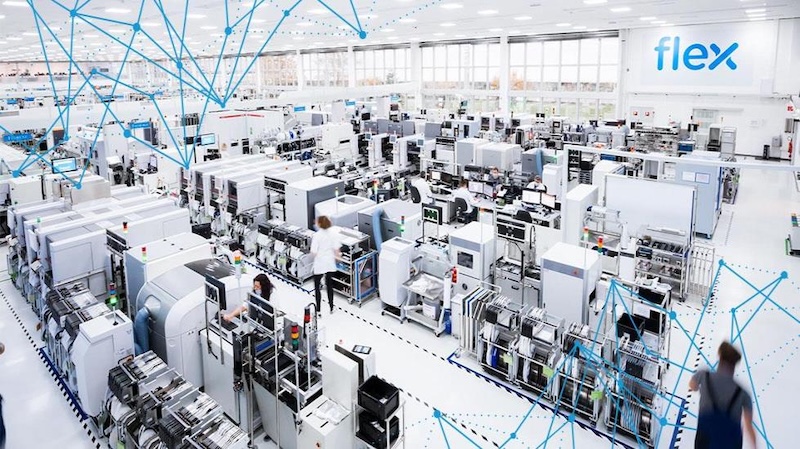
As manufacturers face increasing pressure to improve productivity, quality, and resilience while managing growing product complexity, automation is becoming a central part of modern factory operations. Technologies such as collaborative robots, autonomous mobile robots (AMRs), and emerging forms of physical AI are moving beyond pilot projects and into large-scale production environments. One company at the […]
Manufacturers are under increasing pressure to boost productivity and manage complexity, creating prime conditions for the mainstream adoption of automation technologies.
The shift from pilot projects to large-scale deployment of robotics and AI in manufacturing indicates a significant modernization of industrial processes and supply chains.
Automation, including cobots and AMRs, is becoming a standard operational component in contract manufacturing, moving beyond experimental phases to robust implementation.
- · Flex
- · Contract Manufacturers
- · Robotics Companies
- · AI/Automation Software Providers
- · Labor-intensive Manufacturing
- · Companies with Outdated Infrastructure
Increased efficiency and reduced costs in manufacturing operations for early adopters.
A growing skills gap for workers not trained in operating or maintaining advanced robotic systems.
Enhanced resilience and localization of supply chains as manufacturing becomes less reliant on geographically dispersed human labor.
This signal links to a primary source. Continuum Brief monitors and indexes it as part of the live intelligence stream — we do not republish source content.
Read at Robotics & Automation News