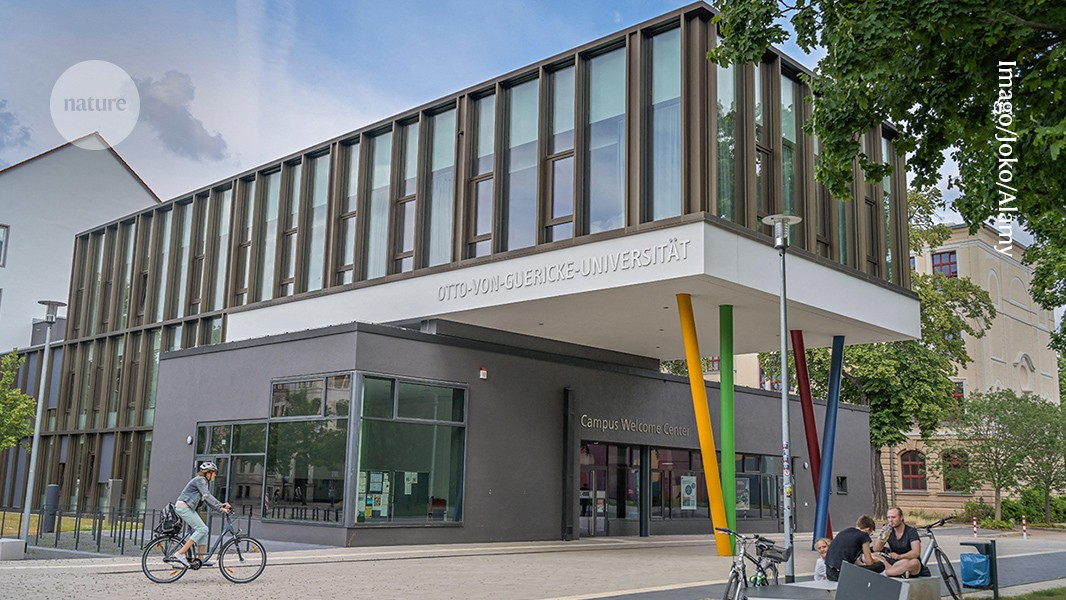
Nature, Published online: 29 June 2026; doi:10.1038/d41586-026-01496-7 With the far-right Alternative for Germany leading in polls for national and state elections, institutions are facing up to proposed restrictions on academic freedom.
The rise of far-right political parties in Germany, as evidenced by their performance in polls, brings previously theoretical discussions about academic freedom into immediate policy debate.
This development highlights a growing trend where political extremism can directly threaten foundational institutions like academia, potentially impacting innovation and scientific progress.
The perceived autonomy and unrestrictive environment for German academics is now under direct policy threat from a significant political movement, shifting the landscape for research and education.
- · Opposing political movements
- · Institutions advocating for academic freedom
- · Researchers in less restricted geographies
- · German academic institutions
- · Scientists in Germany
- · Higher education sector
Universities and research institutions in Germany will likely face increased scrutiny and potential funding challenges based on political agendas.
This could lead to a 'brain drain' as academics seek more stable and free environments, diminishing Germany's scientific competitiveness.
Long-term restrictions on academic freedom could hinder Germany's capacity for innovation, impacting its economic and geopolitical standing.
This signal links to a primary source. Continuum Brief monitors and indexes it as part of the live intelligence stream — we do not republish source content.
Read at Nature — Latest Research