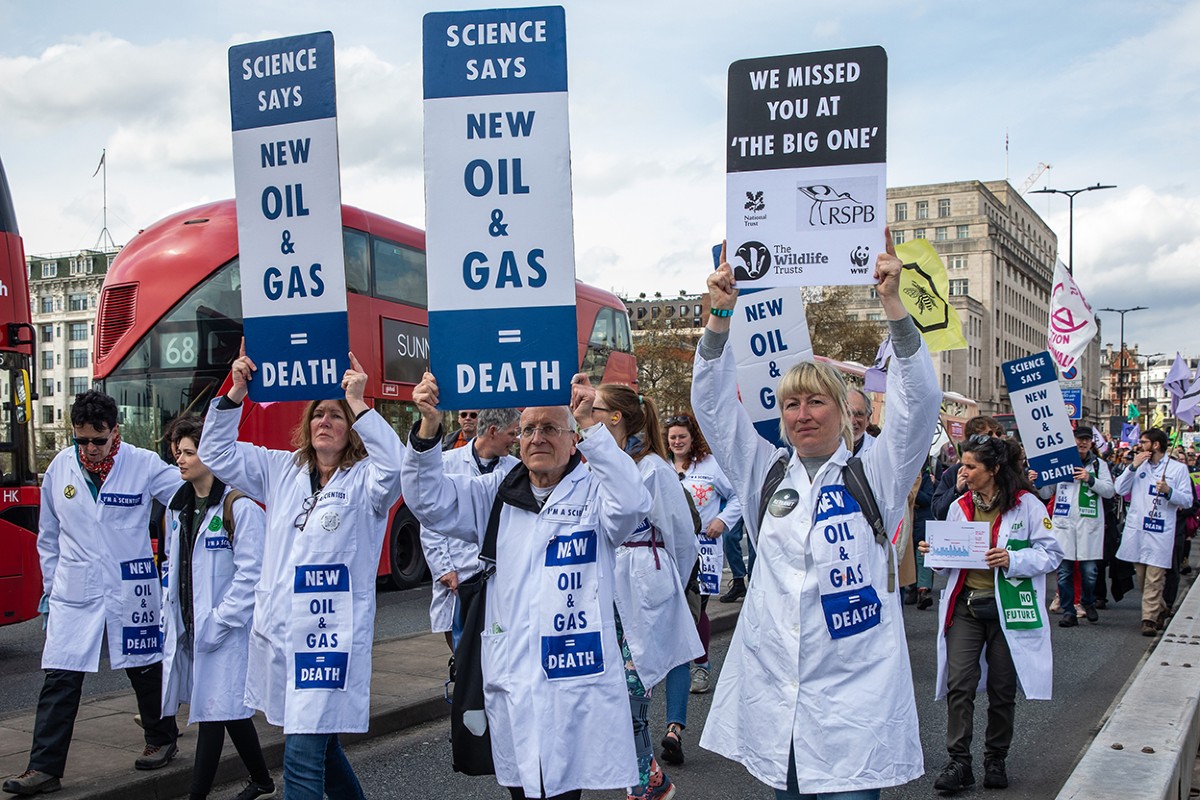
Nature, Published online: 01 July 2026; doi:10.1038/d41586-026-01975-x Public trust in science can’t be sustained by the support of narrow constituencies at one end of an ideological spectrum.
Amidst increasing political polarization and distrust in institutions, the scientific community is proactively addressing its role in maintaining public credibility.
Maintaining public trust in science is crucial for societal progress, policy-making, and the adoption of new technologies, especially in rapidly evolving fields.
This marks a growing introspection within the scientific community regarding its internal biases and external communication strategies to ensure broader acceptance beyond narrow ideological groups.
- · Scientific institutions
- · Evidence-based policy-making
- · Public engagement in science
- · Politically biased research
- · Divisive public discourse
- · Narrow ideological constituencies
Scientists begin to critically self-assess their political leanings to improve methodology and communication.
Public discourse around scientific findings becomes less polarized and more focused on research merits.
Increased public trust could lead to greater funding and broader societal application of scientific breakthroughs.
This signal links to a primary source. Continuum Brief monitors and indexes it as part of the live intelligence stream — we do not republish source content.
Read at Nature — Latest Research