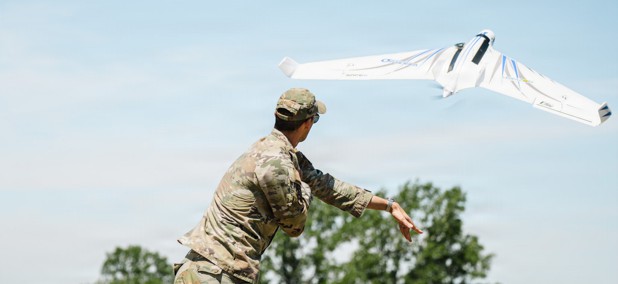
A 4-star general would lead the effort, should SASC’s version of the NDAA become law.
The increasing integration of AI and autonomous systems in military applications demands a dedicated organizational structure to oversee their development and deployment, driven by ongoing geopolitical competition.
This move signifies a proactive step by the US military to formalize and accelerate its leadership in robot warfare, potentially shaping future defence doctrines and industrial investment.
The creation of a combatant command specifically for robot warfare centralizes authority and resources, moving beyond ad-hoc integration towards a coherent, top-down strategy for autonomous systems.
- · Defence Tech companies
- · AI/Robotics developers
- · US military R&D
- · US defence industrial base
- · Traditional defence contractors (if slow to adapt)
- · Adversarial nations unprepared for autonomous warfare
- · Bureaucratic inertia in defence procurement
Increased funding and strategic focus will accelerate the development and deployment of advanced autonomous military systems.
This acceleration will likely spur a new arms race in AI and robotics, compelling other nations to develop similar capabilities.
The existence of such a command could fundamentally alter the nature of future conflicts, emphasizing autonomous operations and potentially reducing human attrition but also raising ethical concerns.
This signal links to a primary source. Continuum Brief monitors and indexes it as part of the live intelligence stream — we do not republish source content.
Read at Defense One