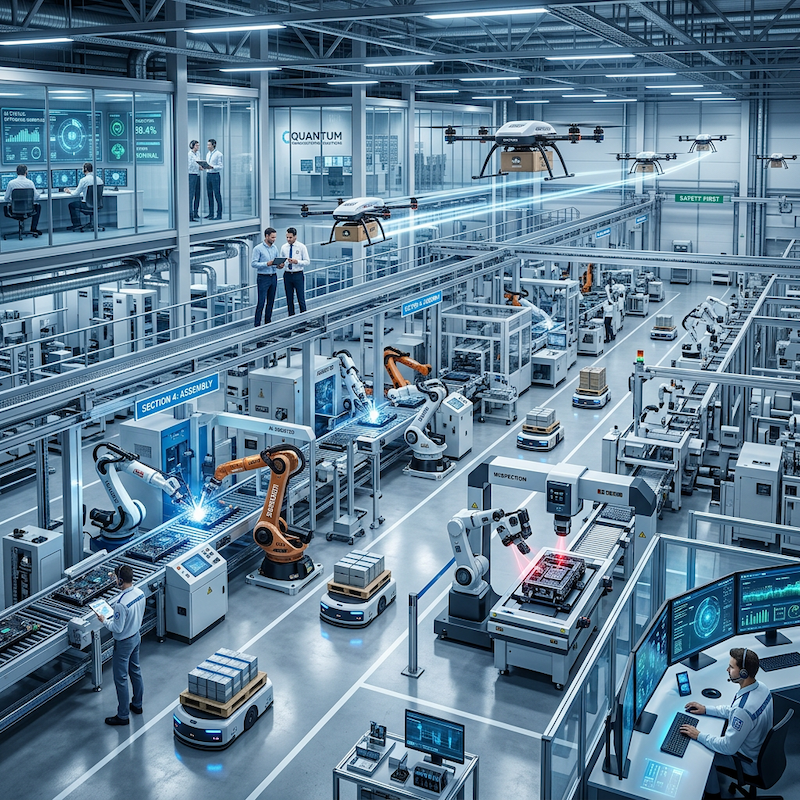
The pressure on modern supply chains is higher than it’s ever been. As consumer expectations shift toward lightning-fast delivery times and flawless order accuracy, warehouse operators are realizing that traditional, manual picking, packing, and sorting processes simply can’t keep pace. Upgrading your facility with advanced automation equipment, whether that means automated guided vehicles, smart conveyor […]
The accelerating pressure on supply chains and consumer demand for faster delivery is pushing warehouses to adopt automation at an unprecedented rate.
The financial mechanisms for acquiring warehouse automation significantly impact the pace and scale of its adoption, affecting business models and competitive landscapes.
Traditional manual warehouse operations are becoming economically and logistically untenable, driving a widespread shift towards automated solutions supported by innovative financing.
- · Automation equipment manufacturers
- · Logistics and supply chain businesses
- · Automation financing companies
- · E-commerce companies
- · Manual labor-dependent warehouses
- · Traditional logistics providers without automation
- · Businesses unable to secure automation financing
Increased operational efficiency and reduced labor costs for businesses adopting automation.
Consolidation in the logistics sector as smaller, less automated players struggle to compete with efficient, automated competitors.
Reallocation of labor from manual warehouse tasks to roles involved in managing, maintaining, and developing automation systems.
This signal links to a primary source. Continuum Brief monitors and indexes it as part of the live intelligence stream — we do not republish source content.
Read at Robotics & Automation News