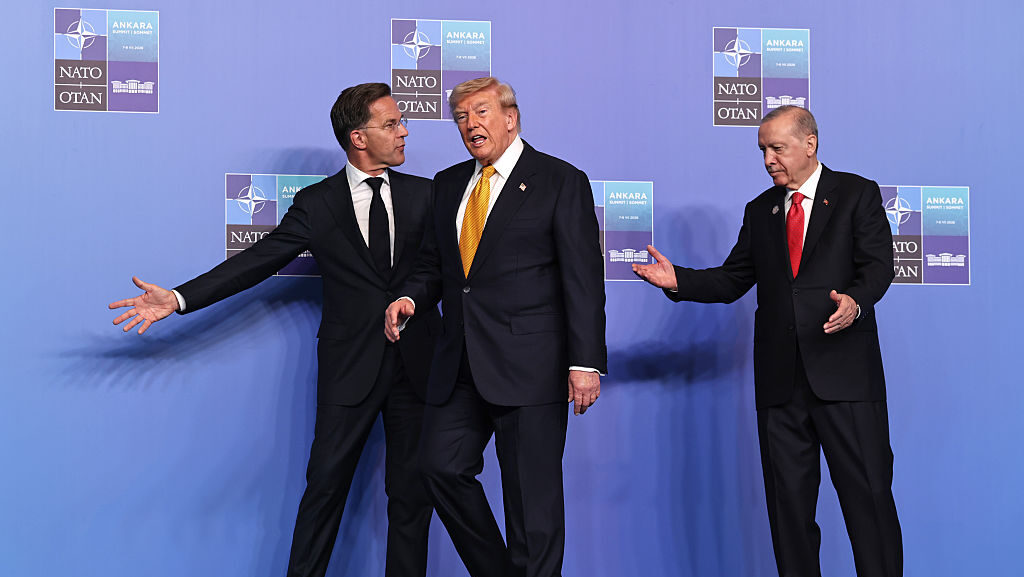
From deep strike funding to a relatively tame Trump, what emerged from the event will have largely pleased most of the 32 allies.
The 2026 NATO Summit represents a scheduled moment for alliance recalibration and strategic articulation, especially given ongoing geopolitical tensions and the changing nature of warfare.
The outcomes from this summit, particularly regarding deep strike funding and alliance consensus, will shape immediate defense spending, strategic priorities, and military posture of NATO members.
Increased commitments to deep strike capabilities indicate a strategic pivot towards more proactive and long-range deterrence, alongside a solidified, albeit complex, alliance unity under evolving leadership.
- · Defence contractors (deep strike technologies)
- · NATO (strengthened strategic alignment)
- · Europe (enhanced deterrence capabilities)
- · Russia (faces more robust NATO stance)
- · Nations with limited defense budgets (increased pressure)
- · Traditional non-aligned defense strategies
Increased investment in long-range precision strike weapon systems and associated intelligence, surveillance, and reconnaissance assets.
Heightened competition in the global defense market for advanced strike capabilities and a potentially accelerated arms race in relevant domains.
A potential shift in global power dynamics as NATO's deep strike capabilities serve as a more credible deterrent against state-level aggression, particularly from Russia.
This signal links to a primary source. Continuum Brief monitors and indexes it as part of the live intelligence stream — we do not republish source content.
Read at Breaking Defense