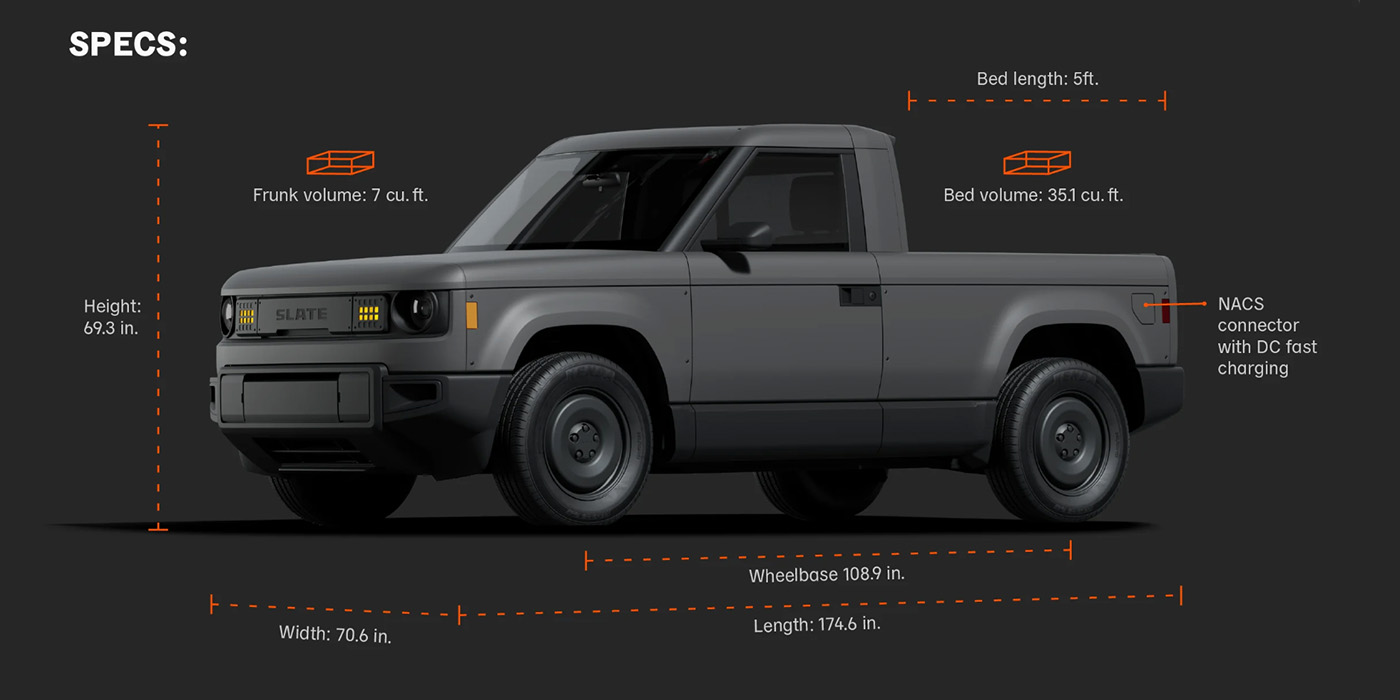
Slate Auto’s electric truck now starts at $24,950, but some buyers will still drive one home for under $20,000 thanks to state-level EV rebates. The catch is that those discounts depend heavily on where you live and how much you earn — and several of them may not apply to Slate at all.
The electric vehicle market is rapidly evolving, with new entrants and pricing strategies continually being tested as government incentives play a critical role in consumer adoption.
This item highlights the ongoing tension between EV affordability goals, manufacturing costs, and the complex, fragmented landscape of government incentives that influence market uptake.
The market perception of 'affordable' EVs is becoming increasingly dependent on stacked incentives rather than baseline vehicle pricing alone, complicating purchasing decisions for consumers and sales strategies for manufacturers.
- · Consumers in high-incentive states
- · EV manufacturers with competitive pricing and effective incentive navigation
- · Consumers in low-incentive states
- · Legacy automakers slow to adapt to incentive-driven pricing models
State-level EV incentives become a more significant factor in vehicle sales distribution.
EV manufacturers may prioritize sales in high-incentive states to boost volume and achieve profitability.
This uneven access to affordable EVs could exacerbate regional economic disparities in EV adoption and infrastructure development.
This signal links to a primary source. Continuum Brief monitors and indexes it as part of the live intelligence stream — we do not republish source content.
Read at Electrek