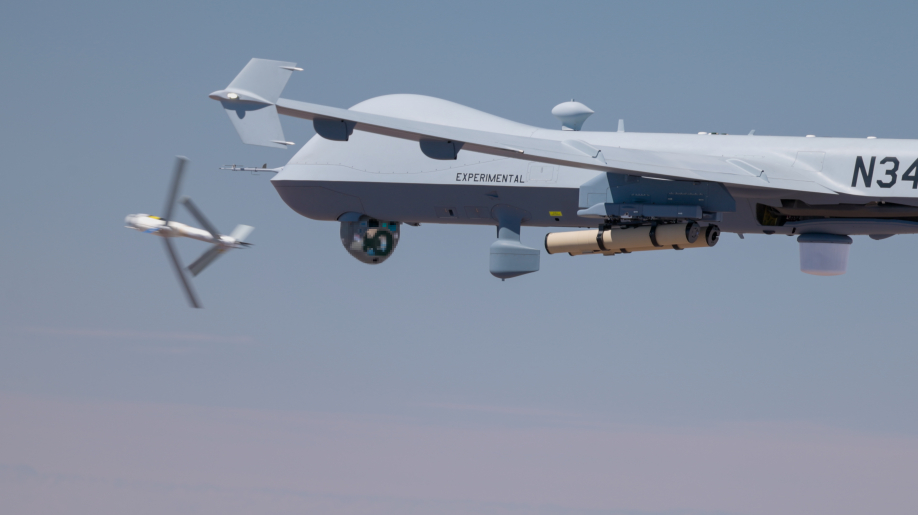
Armed with loitering munitions, SOCOM MC-130J gunships and other aircraft would be able to hunt targets deep inside enemy lines.
The accelerating pace of drone warfare in recent conflicts (e.g., Ukraine) has underscored the immediate need for advanced, cost-effective, and long-range asymmetric capabilities for special operations forces.
This initiative signifies a strategic pivot towards deep-strike autonomous systems, enhancing operational reach and reducing risk to manned platforms, thereby reflecting evolving defence priorities.
The focus on long-range kamikaze drones for SOCOM MC-130J gunships indicates a direct shift towards integrating expendable, autonomous offensive capabilities into special operations doctrine.
- · Defence Tech companies (drone manufacturers)
- · Special Operations Forces
- · Military software developers
- · Aerospace manufacturers (adaptations for drone integration)
- · Traditional manned deep-strike platforms
- · Advocates of large, expensive weapon systems
- · Adversaries with limited counter-drone capabilities
Increased funding and development in autonomous offensive drone technologies become a priority across defence sectors.
The proliferation of such systems could lead to a global arms race in drone technology and counter-drone systems.
Future conflicts may increasingly feature fully autonomous drone swarms conducting complex, long-range missions with minimal human intervention, altering the tactical landscape.
This signal links to a primary source. Continuum Brief monitors and indexes it as part of the live intelligence stream — we do not republish source content.
Read at Air Force Times